Summary
- A powerful El Niño weather event could push nearly 49 million more people into acute hunger by the end of 2027, the United Nations’ World Food Programme (WFP) has warned, raising fresh concerns about a worsening global food crisis driven by climate change and extreme weather.
- The WFP estimates that 274 million people across 45 vulnerable countries could face acute food insecurity by the end of next year, representing a 22 percent increase from current crisis levels.
- Jean-Martin Bauer, Director of WFP’s Food Security and Nutrition Analysis Service, said previous strong El Niño events have repeatedly triggered major hunger emergencies.
A powerful El Niño weather event could push nearly 49 million more people into acute hunger by the end of 2027, the United Nations’ World Food Programme (WFP) has warned, raising fresh concerns about a worsening global food crisis driven by climate change and extreme weather.
According to a new WFP report released on Wednesday, there is an 81 percent probability that the developing El Niño will become a very strong event, with Pacific Ocean temperatures already reaching their highest levels since at least 1982. If current forecasts hold, it could become the strongest El Niño recorded since 1950.
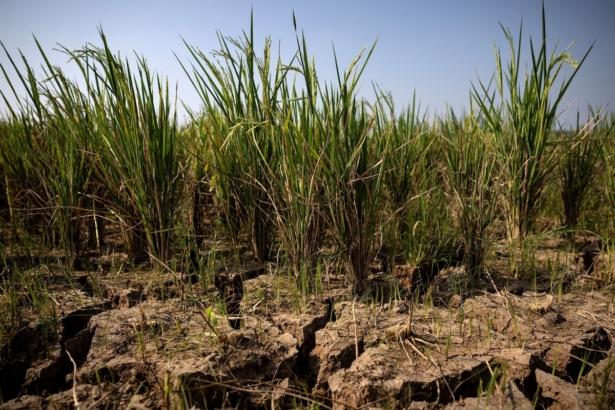
El Niño is a naturally occurring climate pattern that warms surface waters in the central and eastern Pacific Ocean. Although it originates in the Pacific, it disrupts weather systems worldwide, often triggering droughts, delayed monsoons, floods and unpredictable rainfall that damage crops and threaten food supplies.
The WFP estimates that 274 million people across 45 vulnerable countries could face acute food insecurity by the end of next year, representing a 22 percent increase from current crisis levels.
Central America and Southern Africa are expected to suffer the most severe consequences. Food insecurity in Central America could rise by 83 percent, while Southern Africa may experience a 75 percent increase. More than 12 million additional people in Southern Africa, South America and the Caribbean could struggle to access enough food.
Jean-Martin Bauer, Director of WFP’s Food Security and Nutrition Analysis Service, said previous strong El Niño events have repeatedly triggered major hunger emergencies.
“These are events that in the past have caused widespread food crises,” Bauer said, urging governments and humanitarian organisations to prepare before conditions worsen.
Although global food markets entered this El Niño cycle in a relatively stable position following strong harvests in 2025. Bauer warned that ongoing conflict in the Middle East and possible crop failures caused by extreme weather could push food prices higher.
While worldwide price spikes are not considered inevitable, regional shortages could make food increasingly unaffordable for millions of vulnerable families already struggling with poverty.
The report also highlights another growing concern—declining humanitarian funding.
Budget cuts from major donors in the United States and Europe have significantly reduced WFP’s ability to monitor food security. Household surveys dropped from 1.1 million in 2024 to around 800,000 in 2025, with further reductions recorded this year due to funding shortages.
Experts warn that limited data collection could delay the identification of emerging hunger hotspots, making humanitarian responses slower and less effective.
The WFP also forecasts below-average rainfall across parts of East Africa, the Sahel, Central America and the Caribbean, while countries such as Somalia could face an increased risk of flooding. Across South and Southeast Asia, delayed monsoons, drought and localized floods are expected to disrupt agricultural production and livelihoods.
Despite the alarming outlook, the UN agency stressed that forecasts remain uncertain and impacts will vary from region to region.
To reduce future losses, the WFP has expanded its anticipatory action programmes in 18 countries, providing cash assistance and emergency support to more than 1.3 million people ahead of expected climate shocks.
The agency says acting early will be critical to preventing millions more people from falling into hunger as one of the strongest El Niño events in decades continues to develop.
We welcome your contributions! Submit your blogs, opinion pieces, press releases, news story pitches, and news features to opinion@minutemirror.com.pk and minutemirrormail@gmail.com