Summary
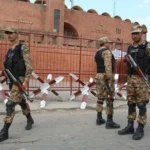
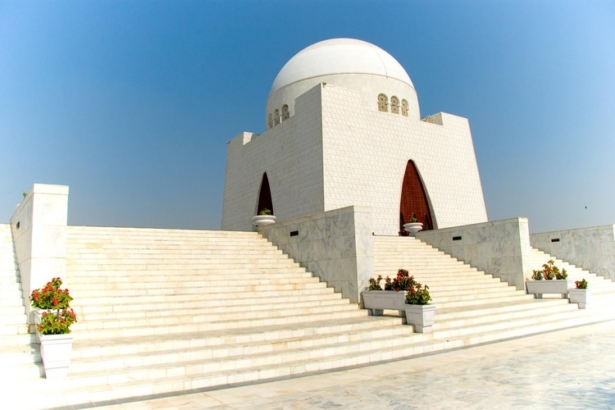
- Islamabad/Karachi: Restrictions on public access to Mazar e Quaid have come under scrutiny after a Senate committee raised concerns that limited access to the national monument could distance young people from the country’s history and cultural identity.
- The committee, chaired by Senator Syed Waqar Mehdi, observed that the impression of special access for influential people and limited opportunities for common citizens should be removed.
- Senator Syed Waqar Mehdi stressed that stronger coordination among government departments was required to improve facilities at the mausoleum and ensure better management of the important national site.
Islamabad/Karachi: Restrictions on public access to Mazar e Quaid have come under scrutiny after a Senate committee raised concerns that limited access to the national monument could distance young people from the country’s history and cultural identity.
The Senate Sub Committee on National Heritage and Culture questioned the existing arrangements at the mausoleum of Quaid e Azam Muhammad Ali Jinnah and stressed that the historic site should remain accessible to ordinary citizens while maintaining proper security measures.
The committee, chaired by Senator Syed Waqar Mehdi, observed that the impression of special access for influential people and limited opportunities for common citizens should be removed. Members emphasized that the mausoleum belongs to the entire nation and people from all backgrounds should be able to visit and connect with their national heritage.
During the meeting, officials from the Karachi administration, including Commissioner Karachi Syed Hassan Naqvi, representatives of KMC and KDA, and police officials, briefed the committee on administrative, technical and management issues related to Mazar-e-Quaid.
Senator Syed Waqar Mehdi stressed that stronger coordination among government departments was required to improve facilities at the mausoleum and ensure better management of the important national site.
The committee members said that restricting public access could weaken the connection between young generations and Pakistan’s history. They suggested promoting educational visits, school activities and public learning programmes around the mausoleum to encourage students to understand the country’s heritage.
Members also called for improvements in basic facilities, including better arrangements for water and electricity supply, installation of surveillance cameras, and stronger security management.
The committee emphasized that temporary solutions were not enough and called for a long-term reform plan to preserve the dignity of Mazar-e-Quaid while making it more welcoming for visitors.
Senator Syed Waqar Mehdi said that all relevant institutions should work together to create a system that addresses security concerns without unnecessarily limiting public access.
Later, members of the committee participated in a special anti-polio campaign held at Commissioner House, reaffirming their support for efforts aimed at eliminating polio from Pakistan.
We welcome your contributions! Submit your blogs, opinion pieces, press releases, news story pitches, and news features to opinion@minutemirror.com.pk and minutemirrormail@gmail.com