Summary
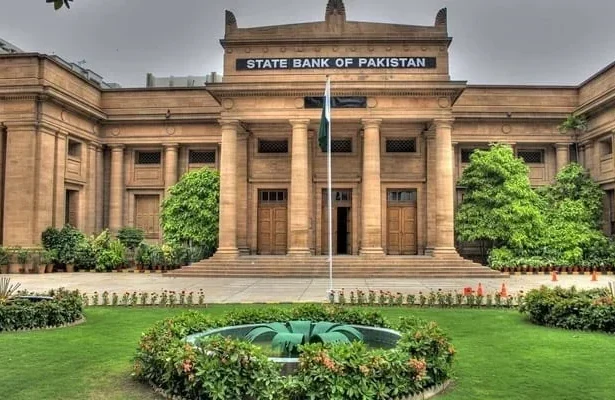
- KARACHI: The State Bank of Pakistan (SBP) has projected economic growth of 3.5-4.5% for the country in fiscal year 2026-27 (FY27), citing a recovery in domestic demand, earlier monetary easing and recent fiscal measures.
- The SBP expects economic momentum to continue in FY27, supported by the delayed effects of earlier monetary easing, a recovery in domestic demand and fiscal measures aimed at expanding industrial activity.
- It expects higher economic activity, tariff rationalisation and rising global energy and non-energy prices to increase imports, while exports are forecast to recover moderately on the back of policy incentives and a slight improvement in global demand.
KARACHI: The State Bank of Pakistan (SBP) has projected economic growth of 3.5-4.5% for the country in fiscal year 2026-27 (FY27), citing a recovery in domestic demand, earlier monetary easing and recent fiscal measures.
In its annual report on the state of the economy for FY26, released on Monday, the central bank said Pakistan had entered FY27 on a relatively stronger footing than during the Russia-Ukraine conflict in FY22. It attributed the improved position to continued engagement with the International Monetary Fund (IMF), stronger fiscal and external buffers, and recent sovereign credit rating upgrades.
The SBP expects economic momentum to continue in FY27, supported by the delayed effects of earlier monetary easing, a recovery in domestic demand and fiscal measures aimed at expanding industrial activity.
However, it warned that a prolonged conflict and higher energy prices could weigh on economic activity through supply chain disruptions and rising input costs. Economic conditions in the Gulf Cooperation Council (GCC) region could also affect remittance inflows, while regional tensions could weaken global growth and demand for exports.
The central bank expects average consumer price inflation to range between 5.5% and 7.5% in FY27, above its medium-term target range of 5-7%. The projection is based on an oil price assumption of $80 per barrel and is due to be revised in January 2027 to account for higher oil prices and other developments.
The SBP said the direct and indirect effects of the global energy price shock were expected to put upward pressure on prices.
To manage volatility in global commodity prices, the government shifted petroleum price reviews from fortnightly to weekly in March and introduced daily adjustments from July, the report said.
Year-on-year consumer price inflation eased to 9.6% in October, from 10.3% in September and 11.1% in August. It stood at 9.2% in July.
On the external account, the SBP said a $3 billion Eurobond issuance in September, along with its foreign exchange purchases and expected official inflows, should help raise reserves towards the equivalent of four months of import cover.
The central bank projected the current account deficit at 0-1% of gross domestic product (GDP) in FY27. It expects higher economic activity, tariff rationalisation and rising global energy and non-energy prices to increase imports, while exports are forecast to recover moderately on the back of policy incentives and a slight improvement in global demand.
Remittances are also expected to maintain their momentum, the report said.
The SBP projected the fiscal deficit at 3-4% of GDP in FY27, saying continued fiscal consolidation and power sector reforms should keep government spending at moderate levels. Efforts to improve tax enforcement and broaden the tax base are also expected to support revenue collection.
We welcome your contributions! Submit your blogs, opinion pieces, press releases, news story pitches, and news features to opinion@minutemirror.com.pk and minutemirrormail@gmail.com