
Summary
- DG Khan: Scientists from the Virtual University of Pakistan have successfully sequenced the genome of the indigenous Daira Din Panah (DDP) goat, marking a significant step towards preserving Pakistan’s native livestock and strengthening climate-resilient agriculture.
- Scientists, however, have warned that the genetic identity of the DDP goat is under growing pressure from uncontrolled crossbreeding and the gradual replacement of indigenous breeds with commercially preferred varieties.
- With climate change placing increasing pressure on Pakistan’s agricultural and livestock sectors, scientists believe native breeds could provide valuable genetic traits for future resilience.
DG Khan: Scientists from the Virtual University of Pakistan have successfully sequenced the genome of the indigenous Daira Din Panah (DDP) goat, marking a significant step towards preserving Pakistan’s native livestock and strengthening climate-resilient agriculture.
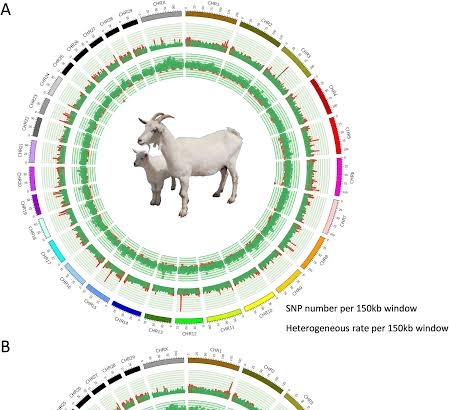
The research was led by Prof. Dr. Tanveer Hussain of the Virtual University of Pakistan in collaboration with Dr. Aamir Ibrahim, a researcher from Dera Ghazi Khan. The Animal Genomics Group reconstructed the breed’s complete genetic makeup through a de novo sequencing approach, allowing scientists to study its genetic characteristics without depending on reference genomes from foreign goat breeds.
According to Dr. Aamir Ibrahim, the genomic characterization could play a crucial role in protecting Pakistan’s indigenous genetic resources and developing livestock capable of adapting to changing environmental conditions.
The study identified genetic signals associated with immune response, vascular and muscular functions, and interactions between the animal and disease-causing pathogens. Researchers believe these characteristics could contribute to the DDP goat’s ability to cope with increasing temperatures, water shortages and infectious diseases, including Staphylococcus aureus.
Scientists, however, have warned that the genetic identity of the DDP goat is under growing pressure from uncontrolled crossbreeding and the gradual replacement of indigenous breeds with commercially preferred varieties.
The researchers said the DDP genome project, alongside continuing genomic work on Pakistan’s Aseel chicken, highlights the need for a coordinated national programme to identify, document, sequence and conserve the country’s indigenous animal breeds.
With climate change placing increasing pressure on Pakistan’s agricultural and livestock sectors, scientists believe native breeds could provide valuable genetic traits for future resilience. Protecting these breeds, they stressed, has therefore become an increasingly urgent scientific and agricultural priority.
We welcome your contributions! Submit your blogs, opinion pieces, press releases, news story pitches, and news features to opinion@minutemirror.com.pk and minutemirrormail@gmail.com