Summary
- Former Pakistani cricket legend Wasim Akram became the target of a false online death hoax after AI-generated videos claiming he had died from a heart attack spread rapidly across social media.
- Alongside the clip, she addressed the misinformation directly, writing that the video had been recorded in response to the fake news and AI-generated videos circulating online.
- As artificial intelligence technology becomes more advanced, fake videos, manipulated audio recordings, and fabricated images are becoming increasingly convincing, making it difficult for many people to distinguish between authentic and false information.
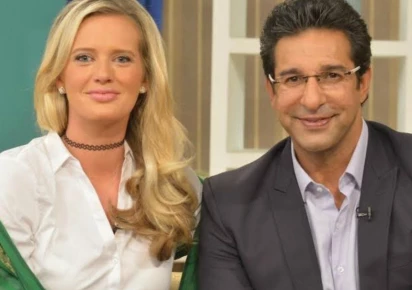
Former Pakistani cricket legend Wasim Akram became the target of a false online death hoax after AI-generated videos claiming he had died from a heart attack spread rapidly across social media. The fabricated clips caused confusion and concern among fans before Shaniera Akram, the former cricketer’s wife, stepped in to set the record straight.
To dismiss the baseless rumours, Shaniera shared a fresh video of Wasim Akram on her official Instagram account. The video showed the cricket icon exercising at a gym, clearly healthy and carrying on with his normal routine. Alongside the clip, she addressed the misinformation directly, writing that the video had been recorded in response to the fake news and AI-generated videos circulating online. She assured followers that Wasim was doing well and encouraged people not to believe the misleading content being shared across various platforms.
The rumours gained traction after an AI-generated video featuring former Pakistan fast bowler Shoaib Akhtar surfaced online. In the manipulated clip, a digitally created version of Akhtar falsely announced that Wasim Akram had died after suffering a heart attack. The realistic appearance of the video led many social media users to believe the claim before it was exposed as fake.
Shaniera’s post quickly attracted widespread attention, with thousands of fans expressing relief after seeing Wasim Akram safe and healthy. Many also condemned the misuse of artificial intelligence to create deceptive content involving well-known public figures. Social media users criticised individuals who produce such videos simply to attract views, increase engagement, or earn money through viral misinformation. Several commenters described the trend as irresponsible, harmful, and emotionally distressing for both celebrities and their families.
The incident has once again highlighted the growing challenge posed by AI-generated content on digital platforms. As artificial intelligence technology becomes more advanced, fake videos, manipulated audio recordings, and fabricated images are becoming increasingly convincing, making it difficult for many people to distinguish between authentic and false information. Experts have repeatedly warned that these tools can easily be exploited to spread misinformation, damage reputations, and create unnecessary panic.
This is not the first time Pakistani celebrities have been affected by AI-generated misinformation. Recently, actors Tauseeq Haider and Farah Saadia were also caught up in a viral hoax after manipulated content falsely claimed that the two had tied the knot. The fabricated reports spread widely before being dismissed, further demonstrating how quickly false information can circulate online.
Following these incidents, public figures and digital safety advocates have urged internet users to verify information before believing or sharing it. They have encouraged people to rely on official statements and trusted news sources instead of sensational social media posts that often lack credible evidence.
As the use of artificial intelligence continues to expand in Pakistan and around the world, celebrities are reminding the public to remain vigilant against online misinformation. They stress that responsible use of technology, combined with critical thinking and fact-checking, is essential to preventing the spread of harmful rumours and protecting individuals from the damaging effects of fake digital content.
We welcome your contributions! Submit your blogs, opinion pieces, press releases, news story pitches, and news features to opinion@minutemirror.com.pk and minutemirrormail@gmail.com