
Summary
- Before approaching the high court, Abbasi had sought post-arrest bail from the Special Anti-Corruption Court in Karachi.
- The high court ultimately granted post-arrest bail subject to the specified surety and the ECL condition.
- With the high court granting bail, the case now moves forward with the accused required to face the trial under the conditions imposed by the court.
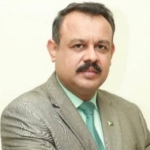
KARACHI: The Sindh High Court has granted post-arrest bail to Dr. Zameer Abbasi, former Project Director of the Karachi Mobility Project’s Yellow Line Bus Rapid Transit (BRT) scheme, in a case involving alleged financial irregularities in the Rs8.5 billion project.
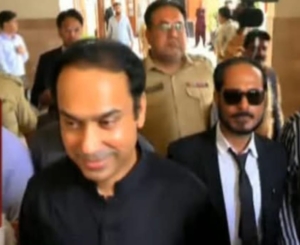
The bail was granted against a surety of Rs10 million, while the court also ordered that Abbasi’s name be placed on the Exit Control List (ECL), according to the proceedings cited in the case record. The order allows the accused to remain at liberty while the trial proceeds before the Anti-Corruption Court.
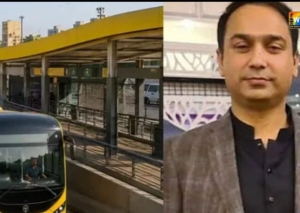
The case was registered by the Anti-Corruption Establishment (ACE) Sindh under various provisions of the Pakistan Penal Code, including Sections 409, 420, 467, 468, 471 and 477-A, read with Section 34 and Section 5(2) of the Prevention of Corruption Act, 1947. Abbasi and former Director Procurement Jhaman Das were among those named in the FIR.
According to the inquiry material referred to during court proceedings, the allegations concern payments allegedly made without completion of certain contractual, procurement and financial requirements. These include claims relating to approvals from NESPAK and bank guarantees, with investigators alleging that the process caused financial loss to the public exchequer.
The allegations remain subject to judicial determination and have not been established against the accused through a final court judgment.
Before approaching the high court, Abbasi had sought post-arrest bail from the Special Anti-Corruption Court in Karachi. The lower court rejected the application on July 11, 2026, after considering the prosecution’s position and the material placed before it.
During those proceedings, the prosecution stated that the case had been registered on the basis of a report prepared by the Chief Minister’s Inspection Team (CMIT). The Anti-Corruption Court also raised questions concerning whether an independent inquiry had been conducted by the Anti-Corruption Department before registration of the FIR and examined issues relating to the legal basis and approval requirements surrounding the investigation.
The court observed that cases involving alleged corruption in public funds require careful judicial scrutiny and held that the record required further proceedings.
Abbasi subsequently moved the Sindh High Court for relief. His initial bail application was returned because of office objections and was directed to be placed before the appropriate bench under the roster. Following removal of the objections, the matter was heard afresh.
The high court ultimately granted post-arrest bail subject to the specified surety and the ECL condition. The grant of bail does not amount to an acquittal, and the allegations will remain subject to determination by the trial court.
A person familiar with the investigation said the ACE and CIT investigations had been completed and that relevant payment records, procurement files and material concerning bank guarantees had been collected and placed before the court. The source said the evidence would now be assessed by the trial court while respecting the high court’s decision on bail.
A former special public prosecutor, while explaining the procedural aspect of the earlier proceedings, said the prosecution had informed the Anti-Corruption Court that the investigation was still underway at that stage and had left the bail matter to the court’s discretion.
The defence has maintained that Abbasi is innocent and that the project’s payments were processed through official channels. According to counsel familiar with the defence position, the relevant documentation is part of the official record and there is no established finding of personal enrichment against the accused.
Legal experts have also pointed to Article 10-A of the Constitution, which guarantees the right to a fair trial and due process. They have stressed that bail and acquittal are legally distinct matters, with a person released on bail remaining subject to the ongoing trial.
Another legal issue arising from the proceedings concerns the role of the CMIT report and whether an independent ACE inquiry and requisite approvals were necessary before registration of the corruption case. The question remains part of the legal proceedings and is ultimately to be determined through the judicial process.
The Yellow Line BRT is part of the Karachi Mobility Project, a major public transport initiative intended to improve urban mobility in the city. The proceedings have consequently brought renewed attention to procurement procedures, financial controls and accountability mechanisms in large publicly funded infrastructure projects.
With the high court granting bail, the case now moves forward with the accused required to face the trial under the conditions imposed by the court. The allegations remain allegations unless and until established through due judicial process.
We welcome your contributions! Submit your blogs, opinion pieces, press releases, news story pitches, and news features to opinion@minutemirror.com.pk and minutemirrormail@gmail.com