


Summary
- Some stubborn stains may take more than 10 minutes to remove but regular cleaning can help keep your kettle in good condition.
- Use white vinegar to remove Limescale White vinegar can help loosen the hard mineral deposits inside an electric kettle.
- With regular cleaning and a few simple safety precautions you can keep your kettle clean and ready for everyday use.
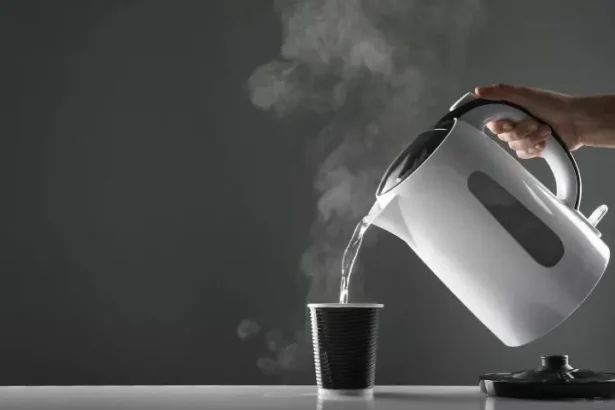
Electric kettles are commonly used to prepare tea, coffee and hot water. They heat water quickly and are easy to use. However, regular use can cause white or brown deposits to build up inside the kettle.
Tea or milk stains may also appear if the appliance is used to heat these drinks. Dust, grease and fingerprints can collect on the outside.
Many people try to clean their kettles by washing them under running water. This can be dangerous because water may enter the electrical parts and damage the appliance. The good news is that you can clean an electric kettle at home with a few simple items. You do not need to soak it in water or scrub it too hard.
Some stubborn stains may take more than 10 minutes to remove but regular cleaning can help keep your kettle in good condition.
Why does a white layer form inside a kettle?
The white, rough layer inside an electric kettle usually comes from minerals such as calcium and magnesium in the water. This buildup is called limescale.
When water is heated again and again these minerals can stick to the inner surface of the kettle. Limescale is more common in areas where the water contains high levels of minerals. If you do not clean the kettle regularly these deposits can build up over time. A thick layer may also make the kettle less efficient and cause it to take longer to heat water.
Use white vinegar to remove Limescale
White vinegar can help loosen the hard mineral deposits inside an electric kettle.
Follow these steps
Unplug the kettle an allow it to cool.
Add half a cup of white vinegar and half a cup of plain water.
Close the lid and switch on the kettle to heat the mixture, but only if the manufacturer’s instructions allow this cleaning method.
Once the mixture boils and the kettle switches off leave it inside for 20–25 minutes.
Pour out the mixture and rinse the kettle twice with clean water.
If the smell of vinegar remains rinse the kettle again. Before using it make sure there is no vinegar smell or taste left inside.
Important
Always check the manufacturer’s instructions before heating vinegar in your kettle. Not every model is designed for this cleaning method.
Try lemon juice for a fresh smell
If you do not like the strong smell of vinegar, lemon can be another option. Lemon contains citric acid, which may help loosen mineral deposits and leave a fresh smell.
Here is how to use it
Cut two lemons into slices.
Place the slices inside the kettle and add enough water to fill it about halfway.
Heat the water provided the manufacturer’s instructions allow this method. Switch off the kettle and let the mixture cool for about 30 minutes. Pour it out and rinse the inside with clean water.
If some deposits remain, gently wipe the inner surface with a soft, non scratch sponge, if permitted by the manufacturer. Lemon may help with light limescale, but heavy deposits may need repeated cleaning.
Use baking soda for stubborn stains
Brown stains or burnt marks may appear if tea or milk is heated in a kettle. However, many electric kettles are designed to heat water only. Always check the product instructions before putting milk or tea inside.
If your kettle is approved for heating these drinks follow the manufacturer’s cleaning advice.You may be able to use a small amount of baking soda mixed with water to make a light paste.
Unplug the kettle and let it cool completely before cleaning. Apply the paste gently with a soft sponge or cloth only if the manufacturer allows it. Rinse the surface thoroughly afterward.
Avoid steel wool metal brushes rough scrubbers and sharp objects. These can scratch the inner surface or damage the heating parts and protective coating.
Clean the outside of the Kettle
Clean the electric base carefully. The base of an electric kettle supplies power to the appliance so it needs special care.
To clean it safely
Remove the kettle from the base and unplug the power cord.
Wipe away dust with a soft, dry cloth.
If necessary, use a very slightly damp cloth to remove marks but only if the manufacturer’s instructions permit it.
Dry the base completely before reconnecting the kettle.
Avoid these common cleaning mistakes
A few simple precautions can help protect your kettle from damage.
Do not clean it while it is hot
Allow it to cool before adding cleaning solutions or wiping its surfaces.
Always unplug it first
Never clean an electric kettle while it is connected to power.
Do not soak it in water
Water can damage its electrical components.
Avoid harsh scrubbing: Rough tools may scratch the inner surface or damage the heating element.
Keep the electrical base dry
Make sure the base, plug and connectors are dry before using the appliance again.
Follow the manufacturer’s instructions Some cleaning products and methods may not be suitable for every kettle. If water enters the electrical parts do not use the kettle.
Follow the manufacturer’s safety guidance or contact an authorised service centre.
Simple habits to keep your Kettle clean
Regular care can reduce mineral buildup and help your kettle stay in good condition for longer. Fill the kettle only within its marked minimum and maximum levels.
Empty leftover water after use if you do not need it. Leave the lid open for a while after emptying if the design allows so the inside can dry.
Final thoughts
Cleaning an electric kettle does not have to be difficult. White vinegar or lemon may help remove limescale while gentle wiping can keep the outside clean. Baking soda may be suitable for certain stains, but always check the manufacturer’s instructions before using it.
The most important rule is to keep water away from the electrical parts and never wash the kettle under a running tap. With regular cleaning and a few simple safety precautions you can keep your kettle clean and ready for everyday use.
We welcome your contributions! Submit your blogs, opinion pieces, press releases, news story pitches, and news features to opinion@minutemirror.com.pk and minutemirrormail@gmail.com






