Summary
- South Korea has issued its first emergency heatwave warning under a newly introduced alert system as soaring temperatures continue to grip parts of the country.
- The Korea Meteorological Administration announced the emergency warning on Sunday for the cities of Gyeongsan and Pohang in North Gyeongsang Province after temperatures reached the threshold set under the new system.
- Speaking at a press briefing, Korea Meteorological Administration official Lee Mi seon said this was the first emergency warning since the new system came into effect.
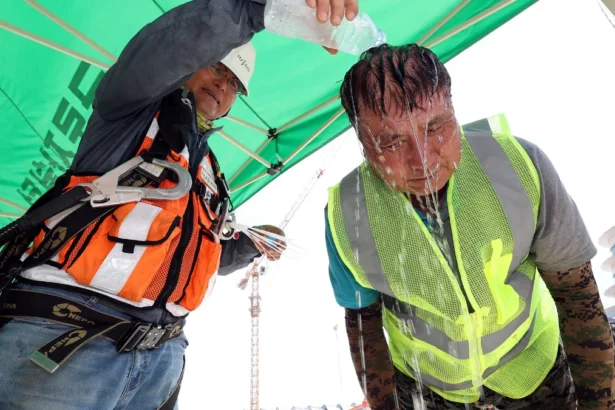
South Korea has issued its first emergency heatwave warning under a newly introduced alert system as soaring temperatures continue to grip parts of the country. Officials urged residents to avoid outdoor activities, remain in cool places, and take extra precautions as the risk of heat related illnesses increases.
The Korea Meteorological Administration announced the emergency warning on Sunday for the cities of Gyeongsan and Pohang in North Gyeongsang Province after temperatures reached the threshold set under the new system. The warning was introduced this year to improve the country’s response to increasingly severe and prolonged heatwaves that have become more common in recent years.
Under the updated guidelines, an emergency heatwave alert is issued when the perceived temperature reaches 38 degrees Celsius or when the actual temperature climbs to 39 degrees Celsius for at least one day. Authorities say these conditions pose a serious health risk even for people who are otherwise healthy.
Speaking at a press briefing, Korea Meteorological Administration official Lee Mi seon said this was the first emergency warning since the new system came into effect. She stressed that the alert represents more than just extremely hot weather. According to her, it signals weather conditions that significantly increase the risk of heat exhaustion, heatstroke, and even death if proper precautions are not taken.
Officials advised residents to stop all unnecessary outdoor work or exercise during the hottest hours of the day. People were also reminded never to leave children or pets inside parked vehicles, where temperatures can rise rapidly and become life threatening within minutes.
The emergency warning reflects a growing climate challenge for South Korea. Meteorological data show that the country has experienced a sharp increase in the number of heatwave days over the past several decades. During the 1970s, South Korea averaged around eight heatwave days each year. Over the past five years, that figure has risen to an average of 19 days annually.
The number of tropical nights has also increased considerably. A tropical night occurs when temperatures remain at or above 25 degrees Celsius overnight, preventing people from getting relief from the daytime heat. The annual average has climbed from four nights in the 1970s to around 14 in recent years, highlighting the growing impact of rising temperatures on daily life.
South Korea’s latest warning comes as many parts of the world struggle with unusually hot weather. Europe has experienced one of its hottest summers on record, with June temperatures breaking previous records across several countries. France recently reported thousands of excess deaths linked to heatwaves, while several tourist attractions in Paris temporarily reduced operating hours because of dangerous conditions. The Tour de France also shortened one of its race stages for the first time due to extreme heat.
Climate experts say warming oceans are contributing to stronger weather systems by providing more energy and moisture, which can fuel intense storms and heavy rainfall. Scientists also point to the return of the El Nino climate pattern this year, which raises temperatures in the Pacific Ocean and often influences weather around the world. Combined with long term climate change, these factors are expected to increase the frequency and intensity of extreme weather events, making heatwaves an even greater challenge in the years ahead.
We welcome your contributions! Submit your blogs, opinion pieces, press releases, news story pitches, and news features to opinion@minutemirror.com.pk and minutemirrormail@gmail.com