Summary
- A new study suggests that today’s young adults may be aging at a faster biological rate compared to previous generations, a development that could be contributing to a rising risk of cancer among younger populations.
- The study also suggests that accelerated biological aging may play a role in the increasing rates of cancer among younger adults, although the researchers emphasize that multiple factors are likely involved.
- Professor Cao emphasized that some young adults may be experiencing these biological changes earlier than expected, potentially contributing to rising cancer rates among younger populations.
A new study suggests that today’s young adults may be aging at a faster biological rate compared to previous generations, a development that could be contributing to a rising risk of cancer among younger populations.
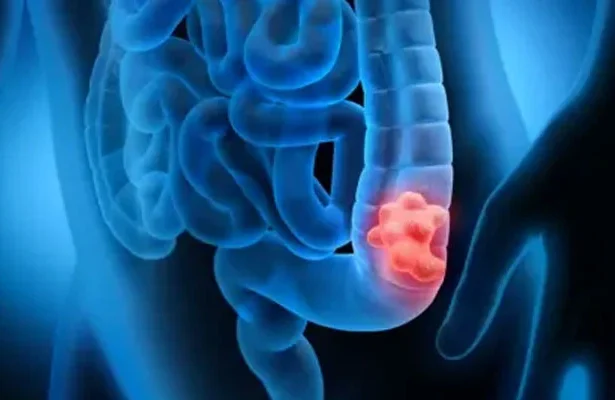
Earlier this year, research revealed an increase in 11 different types of cancer among adults aged between 20 and 49. These include cancers of the breast, colon, and pancreas. Traditionally, such diseases have been more commonly associated with older age groups, prompting scientists to investigate the reasons behind this shift in pattern.
Several possible explanations have been proposed for the growing incidence of cancer in younger adults. These include unhealthy dietary habits, rising obesity rates, tobacco and alcohol consumption, disruptions in the gut microbiome, and even exposure to environmental pollutants such as microplastics. However, a new study published in the journal “Nature Medicine” offers a different perspective, focusing on how the human body ages internally.
Researchers are increasingly distinguishing between chronological age and biological age. Chronological age refers to the number of years a person has lived, while biological age reflects how well the body is functioning at a cellular level and how quickly it is aging internally. Biological age is influenced by several factors, including lifestyle, nutrition, sleep patterns, stress levels, physical fitness, inflammation, and overall metabolic health.
In the study, scientists analyzed blood samples from approximately 164,000 adults in the United Kingdom and the United States. Their findings revealed signs of accelerated biological aging in individuals in their 30s and 40s. This pattern was not observed in earlier generations to the same extent.
The results indicated that people born between 1965 and 1974 showed faster cellular aging compared to those born roughly two decades earlier. In simple terms, their bodies appeared biologically older than their actual chronological age would suggest. Researchers believe this could reflect underlying physiological changes occurring earlier in life than previously expected.
The study also suggests that accelerated biological aging may play a role in the increasing rates of cancer among younger adults, although the researchers emphasize that multiple factors are likely involved. The findings were based on the analysis of blood markers and other health data across different age groups, focusing on signs of cellular wear and tear.
Scientists examined indicators such as DNA damage and inflammation, both of which are often linked to unhealthy lifestyles and environmental exposure. Chronic inflammation, weakened immune responses, and cumulative cellular damage are all considered key drivers of biological aging.
One concerning observation from the study was that individuals currently in their 50s showed signs of faster biological aging beginning much earlier in life. These individuals were found to be aging approximately 23 percent faster at a cellular level compared to those who are now in their 70s.
The research was funded by Cancer Research UK and highlights that individuals whose biological age exceeds their chronological age face a higher risk of developing cancer before the age of 55. This suggests a possible link between accelerated aging processes and early-onset cancer, although a direct cause-and-effect relationship has not been established.
Professor Yin Cao of Washington University School of Medicine, one of the lead authors of the study, explained that biological aging is not simply about the number of birthdays a person has had. Instead, it reflects molecular and cellular damage occurring within the body over time.
She added that these changes can affect how cells and tissues function, including ongoing inflammation, weakened immune defenses, and gradual deterioration of cellular structures.
Professor Cao emphasized that some young adults may be experiencing these biological changes earlier than expected, potentially contributing to rising cancer rates among younger populations.
However, the researchers cautioned that the study is observational in nature, meaning it cannot prove that accelerated biological aging directly causes cancer. Instead, it highlights a potential association that requires further investigation.
We welcome your contributions! Submit your blogs, opinion pieces, press releases, news story pitches, and news features to opinion@minutemirror.com.pk and minutemirrormail@gmail.com