Summary
- However, the concern is not that people are becoming famous through social media, it is that popularity is increasingly treated as a measure of credibility and personal worth, regardless of a creator’s actual contribution or conduct.
- Ultimately, social media fame should not be measured only by the number of followers a person attracts, but also by how responsibly they use their platform and influence.
- The problem is not that young people are using social media to build careers.
In the digital era, social media has become an alternative route to wealth, recognition and professional success. This is particularly significant in developing countries such as Pakistan, where unemployment, economic insecurity and limited opportunities make financial stability difficult for many young people. For some, platforms such as TikTok offer the chance to earn money and gain recognition without following the traditional paths of education, employment, and professional careers.
This change is not inherently wrong. Social media has created opportunities for ordinary people to express themselves, promote small businesses, develop creative skills and earn an income. However, the growing desire for quick fame and financial rewards can also encourage some creators to adopt controversial, exaggerated or attention seeking strategies to attract audiences.
The issue is what happens when fame grows without an equally strong sense of accountability.
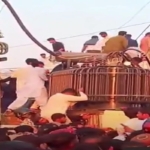
The recent tragedy at Faraz Cricket Ground on Daska Road in Sialkot has brought this question into focus. The incident involved Pakistani TikToker Muhammad Ansar Jatt, popularly known as Mr Patlu. In late October 2026, a wedding-related mehndi and prize distribution event associated with the TikToker turned into a crowd crush. Two people lost their lives, while reports placed the number of injured between 17 and 18. The event had reportedly been promoted through social media, with announcements of valuable prizes, including a car and motorcycles. According to the police account, an announcement instructed attendees to enter the ground at the same time the gates opened. The resulting rush turned a celebration into a tragedy.
Behind these figures were families who lost loved ones and people whose lives were affected by an event they had attended with expectations of entertainment, celebration or reward. Their suffering should not become another temporary social media trend, discussed for a few days before being replaced by the next viral controversy.
The incident is not simply about one TikToker or one poorly managed gathering. It exposes a wider problem within Pakistan’s growing influencer culture, digital popularity is increasingly treated as a measure of success, while the responsibilities attached to public influence receive far less attention. The issue is not that ordinary people are becoming famous. The issue is what happens when fame grows without an equally strong sense of accountability.
Social media has transformed the way people gain fame and public recognition. In the past, celebrities were mostly associated with television, journalism, music and other traditional media. Today, anyone with a smartphone and an internet connection can build an audience and become widely recognised, often without formal training or professional experience.
This shift has opened doors for people who might never have found a place in mainstream media. Small businesses can promote their products, independent artists can showcase their work, and ordinary individuals can share their talents with wider audiences. Many creators also use their platforms to educate entertain and highlight social issues. However, the concern is not that people are becoming famous through social media, it is that popularity is increasingly treated as a measure of credibility and personal worth, regardless of a creator’s actual contribution or conduct.
Entertainment has its own value, and people should be free to enjoy comedy, music, lifestyle videos and other digital content. But enjoying someone’s content does not mean accepting everything they say or do. A large following does not automatically make an influencer knowledgeable, trustworthy or a suitable role model. This is where media literacy becomes important. Audiences need to look beyond views and follower counts, question unverified claims and distinguish entertainment from reliable information.
The relationship between influencers and their audiences can also become deeply personal, people follow their daily lives, celebrate their achievements and sometimes defend them as if they were close friends. That admiration should not replace independent judgement. When popularity goes unquestioned, influencers can gain considerable public influence without necessarily recognising the responsibilities that come with it. Ultimately, social media fame should not be measured only by the number of followers a person attracts, but also by how responsibly they use their platform and influence.
The problem should not be described as a failure of supposedly “illiterate” audiences. People from different educational and social backgrounds can develop strong attachments to online personalities. Mr Patlu incident makes this contradiction difficult to ignore. Social media promotion reportedly attracted a large audience to a physical venue, but attracting people and managing them safely are two very different responsibilities.
A person may know how to attract an audience, but that does not mean they know how to protect one.
To understand the rise of influencer culture, we must also consider Pakistan’s economic conditions.Inflation, unemployment, insecure employment and limited opportunities for upward mobility have made financial stability difficult for many households. Young people face pressure to earn, support their families and establish themselves in a society where financial success is often displayed as a measure of personal achievement. The influence of digital personalities is not limited to the screens on which their videos appear. Followers can develop a sense of familiarity with creators whose daily lives, celebrations and personal experiences they watch regularly.
On platforms such as TikTok, creators share personal moments, respond to comments and communicate directly with followers. This repeated interaction can strengthen the feeling of familiarity. For some audiences, attending an influencer’s public event becomes an opportunity to meet someone they have followed online for months or years. The reported turnout at the Mr Patlu event raises several questions. Why were people willing to travel from different areas to attend a social media personality’s wedding celebration? How much did the prize announcement influence their decision? Did followers see the event as entertainment, a chance to meet a familiar online personality, or a way to win something valuable?
These questions deserve answers through proper investigation and interviews, not assumptions. It would be unfair to suggest that everyone who attended was motivated by financial hardship or the chance to win a prize. Others may simply have attended out of curiosity or a desire to be part of the celebration.Social media followers are no longer just viewers; sometimes, they become part of the events their favourite influencers organise. This makes public influence a serious responsibility because behind every follower is a real person whose safety matters. Giveaways, expensive prizes and public celebrations may attract attention, but that attention can also bring unexpected crowds. In the Sialkot incident, the announcement of a car and motorcycles reportedly attracted attendees. What began as an online promotion ended in a tragedy that left families grieving. No number of views, followers or prizes is worth putting human lives at risk. Promoting an event online is only the first step. Organisers must also arrange adequate security, crowd control, safe entry and exit points, and emergency support. Public safety cannot be treated as an afterthought.
The responsibility debate cannot end with the influencer. According to reports, the district administration had initially issued an NOC for a private Mehfil-e-Sama gathering, subject to specific conditions. The administration later said the conditions were violated and that it revoked the permission. The District Emergency Officer of Rescue 1122 also reportedly stated that the service had not been informed in advance about the large gathering.
The families of the two deceased people were distressed and waiting for answers. They also expressed concern about the delay in arresting the main suspect named in the FIR. At that point, police had reportedly not confirmed his arrest and said raids were underway.
Mr Patlu, meanwhile, reportedly issued a video statement denying responsibility and claiming that he was receiving medical treatment and had not been present at the venue. He also expressed grief over the deaths and called for an impartial investigation. These statements should be considered as his response, not as a final determination of responsibility.
It has also been observed that Mr Patlu had some political affiliations. However, following his arrest, it remains to be seen who will come forward in his defence and how much influence he actually holds. The families hope for clear answers, a fair investigation and justicefrom the government of Pakistan. Behind every reported death is a family whose life has changed forever. Their loss is not just another headline that should disappear when public attention shifts to the next story. As Pakistanis, we must remember the people behind these figures and ensure that their suffering is not forgotten. Everyone found responsible must be held accountable.
The case has also seen a legal development. Islamabad High Court granted Mr Patlu protective bail until November 10, allowing him time to approach the relevant court in Sialkot. Appearing before the court in a wheelchair, he reportedly said that he had suffered a slipped disc while playing cricket and was receiving medical treatment at the time of the incident. His lawyer also expressed concerns about his safety. However, protective bail does not mean that he has been cleared of the allegations. The investigation must establish the facts and determine the responsibility of everyone involved in organising the event.
Audiences need to recognise the difference between popularity and genuine worth. The problem is not that young people are using social media to build careers. Many influencers use their platforms to educate, entertain, support local communities and highlight neglected social issues. Pakistan’s youth have the potential to use digital media for much more than personal popularity. They can promote education, challenge social problems and bring attention to issues that mainstream media often overlooks.
This also requires a shift in what society values and celebrates. Audiences should look beyond popularity and recognise genuine contributions. Influencers and event organisers must understand that public attention comes with responsibilities, not just followers and views. Authorities, meanwhile, must ensure that all public gatherings meet safety standards, regardless of the organiser’s popularity or public profile. Popularity may bring fame, but responsibility determines what that fame stands for.