Summary
- FIFA has a Stadium Entertainment Team that curates more than 750 tracks in advance, working closely with participating national associations to create playlists that mix universally recognised stadium classics with songs that carry specific cultural meaning for each nation.
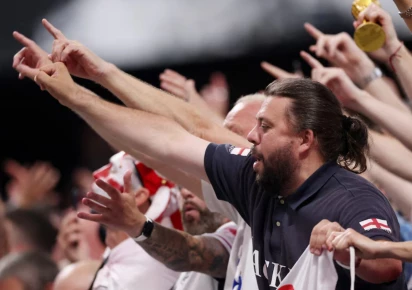
- Long popular with various sets of sporting supporters, it became closely associated with England fans during the COVID-19 pandemic, when the song’s lyrics about touching hands and reaching out took on a resonance that went far beyond football.
- Oasis’ Wonderwall became a fixture after England supporters spontaneously sang along following a 4-2 victory over Croatia, a moment England captain Harry Kane described as one of his favourite ever in an England shirt.
Watching a World Cup match and wondering how the music in the stadium was chosen is a question more people are asking this year, and it turns out the answer involves a carefully considered process that blends global anthems with deeply local flavour.
The songs are not random. FIFA has a Stadium Entertainment Team that curates more than 750 tracks in advance, working closely with participating national associations to create playlists that mix universally recognised stadium classics with songs that carry specific cultural meaning for each nation. Each team has a signature song played when the line-up is announced, a warm-up track, and a dedicated goal song. The winning team’s supporters also get a post-match singalong to mark their victory.
Some songs appear on multiple playlists because they have achieved a kind of universal sporting appeal. The White Stripes’ Seven Nation Army, AC/DC’s Thunderstruck, and the 1990s Eurodance hit Freed from Desire by Gala have all earned a permanent place in stadium culture across different sports and different generations. According to Andrew Lawn, British author of We Lose Every Week: The History of Football Chanting, these tracks work because they are catchy, recognisable and most importantly because they have become emotionally attached to successful sporting moments. Once that association forms, it tends to stick.
Neil Diamond’s Sweet Caroline offers a particularly interesting example of how context shapes musical meaning. Long popular with various sets of sporting supporters, it became closely associated with England fans during the COVID-19 pandemic, when the song’s lyrics about touching hands and reaching out took on a resonance that went far beyond football.
Country-specific choices reveal fascinating cultural preferences. Argentina have selected Los Fabulosos Cadillacs’ El Matador as their warm-up and goal song, a track that sounds celebratory but is actually rooted in the dark history of Latin American dictatorships. Ghana are represented by DopeNation’s irresistible 2025 dance track Kakalika, described by its creators as a blend of national and global sounds meant to encourage joy and embrace diversity. Mexico have gone with three tracks by Mariachi Vargas, a mariachi folk band founded in 1897, while South Korea opted for K-Pop selections from Blackpink and BTS. France supporters celebrate Kylian Mbappe goals to Daft Punk’s fittingly titled One More Time. Australia’s signature tune is Men at Work’s Down Under, and Belgium warm up to Technotronic’s Pump Up the Jam.
Some playlists evolve organically during the tournament. Oasis’ Wonderwall became a fixture after England supporters spontaneously sang along following a 4-2 victory over Croatia, a moment England captain Harry Kane described as one of his favourite ever in an England shirt. John Denver’s Take Me Home, Country Roads has similarly caught on with American supporters, offering a warmer alternative to the more mechanical USA chant that had drawn gentle criticism online.
Whether these musical moments feel authentic or slightly manufactured often depends on how long they have been building. As Lawn noted, American soccer culture is still relatively new, and some of its adopted traditions feel forced for now. But if they persist, they may one day feel as natural as any chant that has been passed down through generations of fans in older footballing nations.