Summary
- The Trump administration has moved to tighten the duration of visas for foreign students, cultural exchange visitors, and journalists, creating new hurdles for millions of international visitors to the United States.
- The final rule from the Department of Homeland Security establishes fixed time periods for F visas for international students, J visas for exchange visitors, and I visas for members of the media, replacing the previous system that allowed visas to remain valid for the duration of a program or employment.
- The DHS cited a dramatic rise in such visas as justification, noting that there were more than 1.8 million student visa admissions in 2024, along with over 500,000 exchange visitors and 37,300 media personnel.
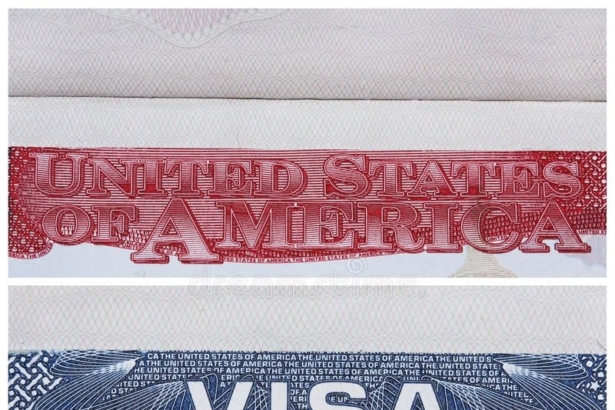
The Trump administration has moved to tighten the duration of visas for foreign students, cultural exchange visitors, and journalists, creating new hurdles for millions of international visitors to the United States. The final rule from the Department of Homeland Security establishes fixed time periods for F visas for international students, J visas for exchange visitors, and I visas for members of the media, replacing the previous system that allowed visas to remain valid for the duration of a program or employment.
Under the new regulations, student and exchange visa periods will be no longer than four years. Visa for journalists, which could previously last years, will now be limited to up to 240 days, or 90 days for Chinese nationals. The rule also halve the amount of time students have to leave the US after completing their degree or training from 60 days to 30 days, and prohibits graduate students from changing their educational objectives or transferring to another school without authorisation.
The DHS cited a dramatic rise in such visas as justification, noting that there were more than 1.8 million student visa admissions in 2024, along with over 500,000 exchange visitors and 37,300 media personnel. The department said the significant increase “poses a challenge to DHS’s ability to monitor and oversee these non-immigrants while they are in the United States.”
The rule has drawn criticism from immigration advocates and former officials. Doug Rand, a former DHS official, said the rule goes against the understanding that “most Americans understand the value of welcoming international students and getting rid of needless red tape.” Critics argue that the new restrictions could harm US universities and businesses by discouraging international students and skilled workers from coming to the country.
The rule follows a wider immigration crackdown by the Trump administration, which has increased scrutiny of legal immigration, revoked student visas and green cards over ideological views, and stripped legal status from hundreds of thousands of migrants. The new visa regulations take effect 60 days after publication in the Federal Register, subject to congressional review. The Chinese Embassy has not yet commented on the discriminatory aspects of the rule, though China’s foreign ministry previously opposed the proposed restrictions for Chinese journalists.
We welcome your contributions! Submit your blogs, opinion pieces, press releases, news story pitches, and news features to opinion@minutemirror.com.pk and minutemirrormail@gmail.com