The fragile ceasefire between the United States and Iran appeared to unravel further on Tuesday as President Donald Trump declared there were no negotiations underway with Tehran, while Iranian officials insisted the Strait of Hormuz remained closed to shipping. The conflicting statements underscored the deep mistrust and widening gulf between the two sides nearly six months into a conflict that has destabilized global energy markets and strained international diplomacy.
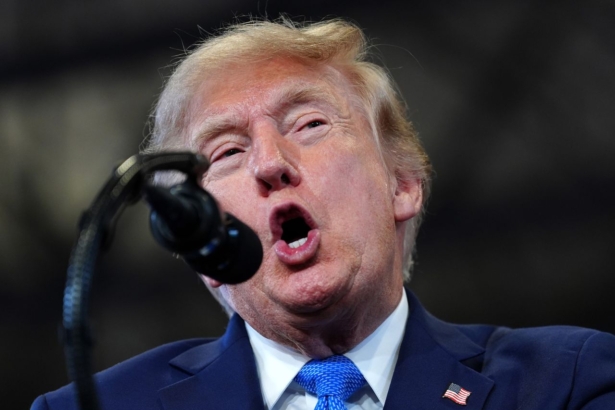
Trump, speaking through his Truth Social account, dismissed reports of ongoing dialogue. “There are no talks or conversations going on, or scheduled, with the Islamic Republic of Iran,” he wrote. He added that the U.S. naval blockade remained in force and claimed the strait was “open and operating” with all mines cleared. His remarks contradicted preliminary shipping data showing crossings through Hormuz had dropped to single digits on Monday, far below pre‑war levels.
Iranian negotiators painted a starkly different picture. Mohammad Baqer Qalibaf told parliament that the strait would remain shut until Washington honored commitments made in a June memorandum of understanding. Those conditions included lifting the blockade of Iranian ports, easing oil sanctions, releasing frozen assets, and halting military operations. “We remain open to dialogue but do not confuse negotiations with surrender,” added Mohammad Mokhber, an adviser to Iran’s supreme leader, in comments carried by Fars news agency.
The June agreement had set a 60‑day deadline for progress on Iran’s nuclear program and U.S. sanctions relief. That period expired on Monday without resolution. Trump said he had no plans to extend the framework, which had called for the “immediate and permanent termination of military operations on all fronts.” Instead, Iranian officials said they were shifting to a “fully offensive” posture, though no fresh strikes were reported on Tuesday.
The uncertainty has rattled global markets. Oil prices climbed again, while stock indices slipped and borrowing costs for major economies surged to multi‑decade highs. Analysts warned that prolonged instability in the Gulf could fuel inflationary pressures worldwide, particularly if Hormuz—through which a fifth of global oil and liquefied natural gas once flowed—remains effectively closed.
The situation at sea remains tense. The United Kingdom Maritime Trade Operations reported that a vessel transiting Hormuz was struck by an unknown projectile, damaging its engine room and injuring a crew member. The Omani Coast Guard assisted the remaining crew. Such incidents highlight the risks for commercial shipping in the contested waterway.
Diplomatic signals have been mixed. On Monday, Trump’s son‑in‑law and special envoy Jared Kushner suggested talks were “probably more robust than they have ever been.” Yet Trump’s denial of negotiations the following day appeared to undercut that optimism. Observers say the inconsistency reflects divisions within Washington’s approach, as well as Tehran’s insistence on concrete concessions before reopening Hormuz.
The conflict began on February 28 when U.S. and Israeli forces launched strikes against Iran. Since then, both sides have alternated between threats and conciliatory rhetoric, seeking leverage while avoiding a full‑scale escalation. The latest breakdown over Hormuz underscores how critical the strait has become—not only as a strategic chokepoint but as a symbol of sovereignty and resistance for Iran.
For now, the path forward remains uncertain. With the ceasefire expired, shipping disrupted, and oil markets on edge, the absence of dialogue raises fears that the crisis could deepen. Whether Washington and Tehran can find common ground on sanctions, security, and the future of Hormuz will determine not only the trajectory of their conflict but also the stability of global trade.