Summary
- US President Donald Trump will take up to 60 days to assess the economic impact of sanctions and tariffs targeting Russia after temporarily suspending key measures aimed at pressuring Moscow over its war in Ukraine, Secretary of State Marco Rubio has said.
- Trump signed an executive order on Friday waiving key sanctions and tariffs linked to the Graham Act, legislation introduced to increase economic pressure on Russia over its invasion of Ukraine.
- Under the legislation, tariffs could be imposed on goods from countries importing Russian energy supplies, creating potential complications for Washington’s relations with key economic and strategic partners.
US President Donald Trump will take up to 60 days to assess the economic impact of sanctions and tariffs targeting Russia after temporarily suspending key measures aimed at pressuring Moscow over its war in Ukraine, Secretary of State Marco Rubio has said.
The decision comes amid rising energy prices and disruptions to global oil supplies caused by the ongoing war involving the United States and Iran. The administration is weighing the potential economic consequences of imposing restrictions on Russia while seeking to ease pressure on fuel markets.
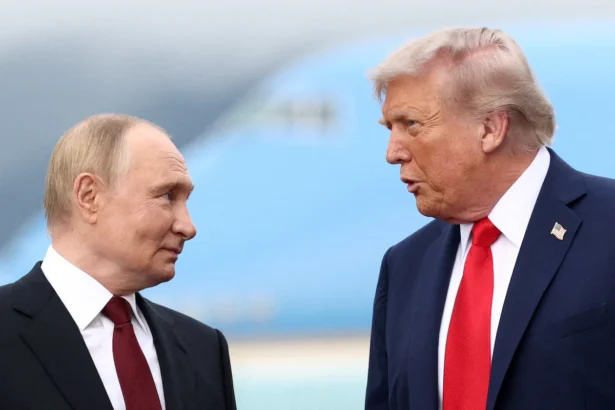
Trump signed an executive order on Friday waiving key sanctions and tariffs linked to the Graham Act, legislation introduced to increase economic pressure on Russia over its invasion of Ukraine. The measures were scheduled to take effect next week and included tariffs on Russian goods and penalties on countries purchasing Russian oil and gas.
Speaking to reporters on Saturday, Trump said he had not yet announced a final position on the issue. He indicated that the administration was still assessing its options before making a definitive decision.
Rubio said the president wanted to use the 60-day period to examine how the sanctions and tariffs could affect both the US economy and global markets. He made the remarks before departing for Uzbekistan.
The proposed restrictions could also affect countries that maintain significant energy ties with Russia. Under the legislation, tariffs could be imposed on goods from countries importing Russian energy supplies, creating potential complications for Washington’s relations with key economic and strategic partners.
India is among the countries that could face consequences because of its continued reliance on Russian oil, despite efforts to diversify its energy sources. The issue presents a challenge for the Trump administration as it attempts to balance pressure on Moscow with its broader international relationships.
The temporary waiver has drawn criticism from Ukrainian President Volodymyr Zelenskiy, who warned that easing economic pressure could strengthen Russian President Vladimir Putin’s position and prolong the war in Ukraine.
Senator Darline Graham, a Republican from South Carolina whose late brother Lindsey Graham championed the legislation, also expressed disagreement with Trump’s decision. She said she intended to discuss the matter with the president during his upcoming campaign visit.
Graham said she preferred maintaining pressure on Moscow, arguing that she did not trust the Russian leadership.
Meanwhile, Rubio defended a separate arrangement involving Russian diesel supplies intended to increase fuel availability and help ease prices amid disruptions to international energy markets.
Trump said Russia would initially provide more than 300,000 metric tons of diesel to the United States, with further shipments expected in November and subsequent months.
Rubio argued that the fuel would reach international markets regardless of Washington’s decision, adding that the agreement would help determine how much of the supply could be directed to the United States.
The administration’s approach reflects the growing difficulty of managing conflicts in Ukraine and the Middle East simultaneously. Both crises have affected energy supplies and increased pressure on governments to contain fuel costs.
With the midterm elections approaching in November, high energy prices have become an additional challenge for Trump. The 60-day review will give his administration time to assess the economic and diplomatic consequences of its decision before determining its next steps on Russia-related sanctions.
We welcome your contributions! Submit your blogs, opinion pieces, press releases, news story pitches, and news features to opinion@minutemirror.com.pk and minutemirrormail@gmail.com