Summary
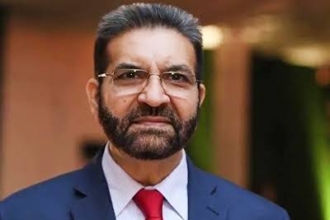
- The 56-year-old former Greater Manchester mayor wants to move quickly to show people he is “serious about helping them out.” He said on Monday that his early policies might not “take all of the pressure off” people struggling with rising prices, and that a longer-term plan would be set out later in the year.
- He is also expected to consider caps on bus fares, something he implemented in Manchester, and other measures to back up his assertion that “I will put the care of people at the heart of everything I do.” The tax cut has drawn criticism from some quarters, with Ruth Curtice, chief executive of the Resolution Foundation, saying the move could benefit higher income families because the cuts were not targeted.
- Despite the criticism, Burnham has said he will unveil more early policies, telling reporters he wanted his new government “to do some things that people will feel and feel quite quickly,” especially those on the lowest incomes.
Burnham said the tax cut would be funded by savings from the cancellation of a £1.8 billion digital ID programme, which was announced on Sunday. “We’re taking immediate action to cut taxes on energy bills, put more money in people’s pockets and bring back hope,” he said in a statement, having pledged to give people more money to spend.
The 56-year-old former Greater Manchester mayor wants to move quickly to show people he is “serious about helping them out.” He said on Monday that his early policies might not “take all of the pressure off” people struggling with rising prices, and that a longer-term plan would be set out later in the year. However, his calls for the governing Labour Party to get behind his agenda may have fallen on deaf ears. An ally of former prime minister Keir Starmer, Darren Jones, questioned whether the new leader had the money to cover his policy move on energy bills, saying the digital ID scheme was unfunded.
Burnham, dubbed the “King of the North” for his dogged defence of Greater Manchester, is currently the most popular leader of Britain’s main political parties. But Britain’s revolving door of prime ministers over the past decade has underlined how quickly parties can move against leaders who are not seen as delivering for voters. In his first speech as prime minister on Monday, Burnham said his ambition was to end rough sleeping in Britain. He is also expected to consider caps on bus fares, something he implemented in Manchester, and other measures to back up his assertion that “I will put the care of people at the heart of everything I do.”
The tax cut has drawn criticism from some quarters, with Ruth Curtice, chief executive of the Resolution Foundation, saying the move could benefit higher income families because the cuts were not targeted. “With bills still set to rise over £150 this October, this money would have been better spent on more targeted support,” she said. Despite the criticism, Burnham has said he will unveil more early policies, telling reporters he wanted his new government “to do some things that people will feel and feel quite quickly,” especially those on the lowest incomes. As he navigates the challenges ahead, Burnham’s early moves will be closely watched as a test of his ability to deliver on his promises and restore public confidence in the UK’s political system.
We welcome your contributions! Submit your blogs, opinion pieces, press releases, news story pitches, and news features to opinion@minutemirror.com.pk and minutemirrormail@gmail.com