Summary
- Scientists at the University of Texas in the United States have developed an advanced wearable patch that may help people enter REM (Rapid Eye Movement) sleep more quickly and remain in this stage for longer without surgery or medication.
- According to the study, people using the device entered REM sleep an average of 43 minutes earlier and spent approximately 16 additional minutes in this stage.
- According to researchers, these findings are important because disruptions in REM sleep have been linked to mental health conditions such as depression, anxiety and post-traumatic stress disorder (PTSD).
Scientists at the University of Texas in the United States have developed an advanced wearable patch that may help people enter REM (Rapid Eye Movement) sleep more quickly and remain in this stage for longer without surgery or medication.
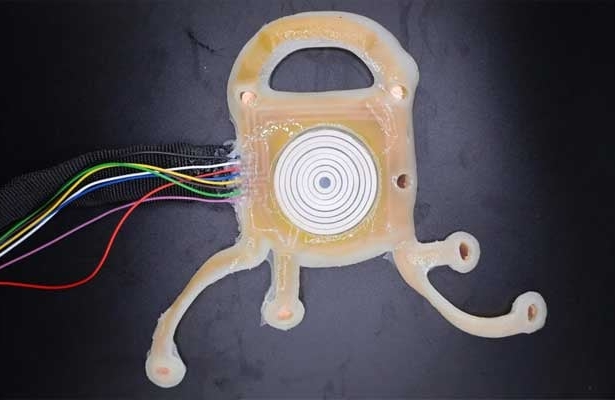
According to scientists, the device called NEUSLeeP combines electrodes that monitor brain activity in real time. Researchers say the technology can target deeper areas of the brain associated with REM sleep while simultaneously monitoring the brain’s response.
Scientists tested the patch on 28 people and the findings were published in the scientific journal Nature Communications.
According to the study, people using the device entered REM sleep an average of 43 minutes earlier and spent approximately 16 additional minutes in this stage. The effect was observed both in healthy individuals and in people experiencing sleep problems.
Participants reported that the patch was comfortable to wear while only minimal side effects were observed during the study. Researchers also found that ultrasound treatment caused certain changes in the body associated with stress regulation.
Among healthy participants, a significant increase in heart-rate variability was observed which is generally associated with the body’s ability to cope with and respond to stress. Changes were also observed in brain circuits involved in emotional processing during brain imaging.
According to researchers, these findings are important because disruptions in REM sleep have been linked to mental health conditions such as depression, anxiety and post-traumatic stress disorder (PTSD).
Scientists emphasized that further large-scale research is needed before NEUSLeeP can be used as a standard treatment. Future studies are planned to determine whether the technology could also be effective for people experiencing chronic insomnia, depression and PTSD.
We welcome your contributions! Submit your blogs, opinion pieces, press releases, news story pitches, and news features to opinion@minutemirror.com.pk and minutemirrormail@gmail.com