Summary
- Rubio said Washington will not rely on indirect channels for Lebanon-related talks.
- Rubio said issues linked to Iran’s influence in Lebanon will be handled separately.
- Rubio said a full end to regional conflict will not be possible unless armed groups reduce attacks.
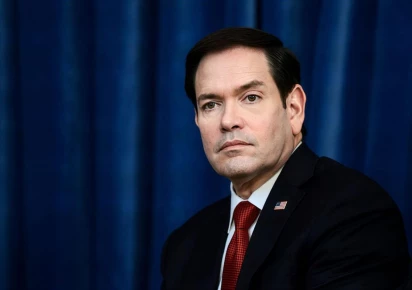
The United States will now deal directly with Lebanon’s government on all matters related to the country’s future. US Secretary of State Marco Rubio made the announcement during a regional visit.
He said Lebanon is a sovereign state. Its future will be discussed directly with its elected government.
Rubio said Washington will not rely on indirect channels for Lebanon-related talks. He confirmed that direct diplomatic engagement has already begun.
He added that he recently spoke with Lebanese President Joseph Aoun. He said discussions between officials are ongoing on the ground.
The US official said Lebanon’s internal stability is the responsibility of its own government. He stressed that Washington will continue working directly with Beirut.
Rubio said issues linked to Iran’s influence in Lebanon will be handled separately. He specifically referred to Hezbollah and its backing by Tehran.
He said the Iran-related file will remain part of broader US–Iran negotiations. Lebanon, however, will be treated as a separate diplomatic track.
Rubio also spoke about maritime issues involving Iran. He rejected any possibility of Tehran imposing tolls in the Strait of Hormuz.
He said the strait is an international waterway. No country has the right to impose fees or restrictions on global shipping.
He added that international law already governs such routes. He said the US expects these rules to remain in place.
Rubio said a full end to regional conflict will not be possible unless armed groups reduce attacks. He referred to missile and drone activity by regional proxies.
He said the US may consider future economic engagement with Iran. However, he said this depends on Tehran changing its regional policies.
He added that any investment would not involve US government funds. It would depend entirely on progress in security-related negotiations.
Reports from international media say the regional situation in Lebanon has changed after recent US–Iran understandings. Military activity between Israel and Hezbollah has reportedly decreased.
Some reports suggest that Israeli operations in Lebanon have been restricted under new arrangements. These changes are linked to broader diplomatic developments.
Israeli forces are reportedly adjusting their positions in southern Lebanon. Some restrictions along the northern border have also been eased.
The developments have triggered political debate in Israel. Opposition figures have criticized the government’s handling of the situation.
Some analysts claim that Israel has been sidelined in parts of the negotiation process. They argue that Washington is now playing the central role.
Israeli officials, however, say the military remains fully active. They insist that security measures are still in place along the border.
The United States is currently leading broader diplomatic efforts in the region. These efforts follow recent understandings with Iran.
Washington says its main goal is to reduce violence and stabilize conflict zones. It also aims to limit the influence of armed groups operating across the region.
We welcome your contributions! Submit your blogs, opinion pieces, press releases, news story pitches, and news features to opinion@minutemirror.com.pk and minutemirrormail@gmail.com