Summary
- The United States has also stepped up relief efforts after restoring operations at Caracas’ Simon Bolivar International Airport.
- Interim President Delcy Rodriguez thanked the international community for its support, confirming that rescue flights continue arriving with personnel and relief supplies.
- She also acknowledged ongoing cooperation with the United States and other international partners as emergency operations continue across the affected regions.Authorities have tightened access to La Guaira to allow rescue vehicles to move more efficiently through heavily damaged areas.
The humanitarian crisis in Venezuela continues to worsen after two powerful earthquakes struck the country earlier this week, leaving at least 1,430 people dead and thousands more injured. Rescue workers from around the world are racing to locate survivors as hopes fade with each passing hour.The twin earthquakes, measuring magnitudes 7.2 and 7.5, devastated several regions, with the coastal state of La Guaira suffering the heaviest destruction. Hundreds of residential buildings collapsed, while critical infrastructure, including roads and power systems, sustained extensive damage.
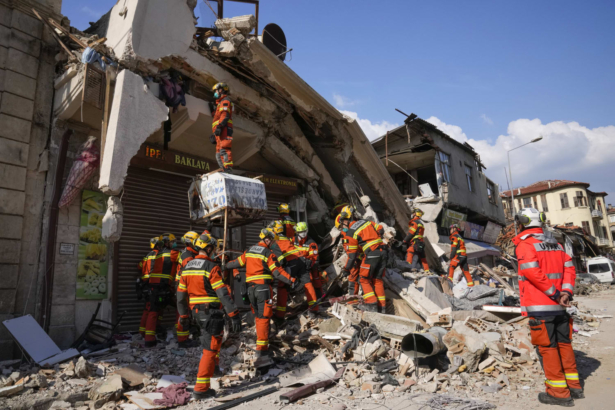
According to Venezuelan authorities, more than 3,200 people have been injured, while tens of thousands remain unaccounted for. The United Nations estimates that nearly 6.8 million people may have been affected by the disaster and urgently require shelter, clean drinking water, healthcare, sanitation facilities, and other essential supplies.Search-and-rescue efforts have expanded significantly with international support. More than 1,600 rescue personnel from numerous countries have already arrived in Venezuela, while additional teams are expected in the coming days. Specialized units equipped with search dogs, heavy machinery, and emergency medical equipment are assisting local authorities in locating survivors trapped beneath collapsed buildings.
The United States has also stepped up relief efforts after restoring operations at Caracas’ Simon Bolivar International Airport. Military transport aircraft carrying humanitarian supplies and rescue specialists have begun landing, while naval vessels remain positioned offshore to assist with logistics and emergency response.
Despite these efforts, many residents have expressed frustration over what they describe as a slow government response during the critical first days after the disaster. In several neighborhoods of La Guaira, families were forced to dig through debris using only their hands in desperate attempts to rescue loved ones before official teams arrived. One emotional moment offered a rare sign of hope when rescuers successfully pulled a baby alive from the rubble nearly 32 hours after the earthquakes struck.
Images of the infant being carried to safety quickly spread across social media, symbolizing resilience amid widespread tragedy. The United Nations has warned that the humanitarian situation remains extremely serious. Officials estimate physical damage at approximately $6.7 billion, representing nearly six percent of Venezuela’s gross domestic product. Aid agencies have cautioned that food shortages, limited healthcare services, and damaged sanitation systems could worsen conditions in the coming weeks.
Interim President Delcy Rodriguez thanked the international community for its support, confirming that rescue flights continue arriving with personnel and relief supplies. She also acknowledged ongoing cooperation with the United States and other international partners as emergency operations continue across the affected regions.Authorities have tightened access to La Guaira to allow rescue vehicles to move more efficiently through heavily damaged areas. Thousands of military and police personnel have also been deployed to maintain security, prevent looting, and assist with recovery operations.The disaster has struck Venezuela at a particularly difficult time, as the country continues to recover from years of economic hardship and political instability. Many hospitals and public services were already operating under severe strain before the earthquakes, complicating relief efforts.
With the crucial 72-hour rescue window rapidly closing, emergency workers continue searching through mountains of rubble in hopes of finding more survivors. While international aid has begun arriving, officials warn that Venezuela now faces a long and challenging recovery as millions struggle to rebuild their lives after one of the country’s deadliest natural disasters in more than a century.
We welcome your contributions! Submit your blogs, opinion pieces, press releases, news story pitches, and news features to opinion@minutemirror.com.pk and minutemirrormail@gmail.com