Summary
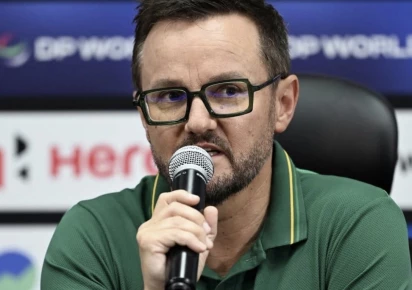
- KARACHI: Pakistan cricket is once again facing questions over who truly holds the authority inside the national team, with head coach Mike Hesson’s growing influence raising concerns about the role and independence of the captain.
- The coach was reportedly influential in matters ranging from team selection to batting combinations and bowling changes, leaving the captain with limited room to exercise authority.
- If the captain is held responsible whenever Pakistan loses, he must also have the freedom to choose the playing XI, decide bowling changes and determine batting combinations.
KARACHI: Pakistan cricket is once again facing questions over who truly holds the authority inside the national team, with head coach Mike Hesson’s growing influence raising concerns about the role and independence of the captain.
The debate has intensified after Pakistan’s recent struggles and the expected change in T20 leadership. Salman Ali Agha appears set to lose the captaincy, with Sahibzada Farhan among the names being considered as his possible replacement.
The central question, however, is bigger than the identity of the next captain: will he actually have the authority to lead?
Following Pakistan’s disappointing T20 World Cup campaign, reports emerged suggesting that Hesson had become heavily involved in on-field decisions. The coach was reportedly influential in matters ranging from team selection to batting combinations and bowling changes, leaving the captain with limited room to exercise authority.
Hesson survived the criticism and remained in charge. After changes to the coaching setup during the England tour, his responsibilities expanded further, including involvement in Test cricket.
Pakistan’s performances have not always matched the confidence surrounding the coaching setup. Critics have pointed to frequent changes in the playing XI, batting order and player roles as signs of an uncertain strategy.
The Asian Games final against India provided another example. Pakistan had a strong opportunity to win gold, but questionable selection and bowling decisions contributed to a painful defeat. Hesson’s visible involvement from outside the boundary also reignited debate over whether the captain was genuinely making the key decisions.
The situation has also complicated the future of senior players. Shaheen Afridi, despite leading Pakistan successfully in ODIs, reportedly does not appear to be the preferred choice for the T20 captaincy. Shadab Khan, meanwhile, has an established relationship with Hesson through Islamabad United but may not immediately be considered for the role.
Babar Azam’s position also remains an important part of the equation. Despite earlier expectations that he could return to leadership across formats, recent developments suggest that even retaining the Test captaincy may not be guaranteed.
Pakistan’s history suggests that successful teams require an empowered captain. Imran Khan, Younis Khan and Sarfaraz Ahmed were able to make important tactical decisions without being reduced to figureheads.
That model could offer a lesson for the current setup. If the captain is held responsible whenever Pakistan loses, he must also have the freedom to choose the playing XI, decide bowling changes and determine batting combinations.
The PCB could consider creating a genuinely independent selection committee separate from the coaching staff. Such a structure would establish clearer boundaries and prevent excessive concentration of authority in one individual.
The debate is therefore not simply about Hesson or whoever becomes captain next. It is about defining responsibilities.
Pakistan does not necessarily need another captain every time results go wrong. It needs a clear system in which the captain, coach and selectors understand their respective roles.
If Sahibzada Farhan is appointed, his success may ultimately depend less on his title and more on how much authority he is actually given.
For Pakistan cricket, the real challenge now is to ensure that the person wearing the captain’s armband is also allowed to make the decisions that come with it.
We welcome your contributions! Submit your blogs, opinion pieces, press releases, news story pitches, and news features to opinion@minutemirror.com.pk and minutemirrormail@gmail.com