
Summary
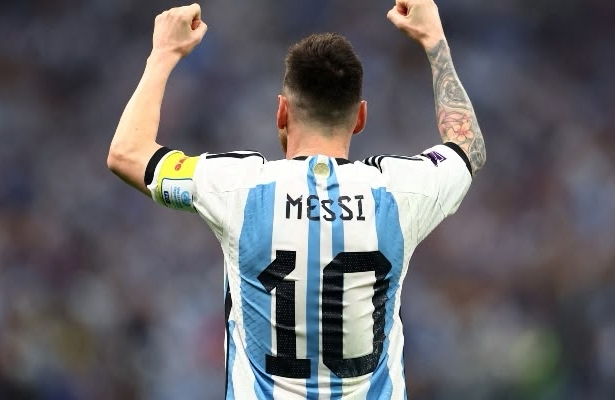
- If you have been watching the FIFA World Cup, you may have noticed that many of the best players on their teams such as Lionel Messi, Neymar and Kylian Mbappé wear the number 10 jersey.
- Unlike jersey numbers in many other sports, the number 10 shirt in football carries a special status and is considered a symbol of prestige and respect.
- However, wearing the number 10 jersey does not automatically make a player the best.
If you have been watching the FIFA World Cup, you may have noticed that many of the best players on their teams such as Lionel Messi, Neymar and Kylian Mbappé wear the number 10 jersey.
Unlike jersey numbers in many other sports, the number 10 shirt in football carries a special status and is considered a symbol of prestige and respect.
Why Do Football Players Wear Numbered Jerseys?
It is believed that jersey numbers were first introduced in football in Australia in 1911. During a local match, players wore shirts with numbers on their backs for the first time.
The practice later spread to Argentina in 1923, the United States in 1924, and England in 1928.
At the time, jersey numbers were assigned according to players’ positions on the field. Numbers 1 through 11 were designated for specific roles, allowing spectators to identify a player’s position.
For example:
* No. 1 – Goalkeeper
* No. 2 – Right Full-Back
* No. 3 – Left Full-Back
* No. 4 – Right Centre-Back
* No. 5 – Left Centre-Back
* No. 6 – Holding Midfielder
* No. 7 – Right Winger/Midfielder
* No. 8 – Central Midfielder
* No. 9 – Centre Forward
* No. 10 – Attacking Midfielder/Playmaker
* No. 11 – Left Winger/Midfielder
Why is Number 10 Jersey Special?
Even before numbered jerseys became common, the attacking midfielder role—later associated with the number 10 shirt—was regarded as one of the most important positions in football.
Players in this position are often the most creative and technically gifted members of the team. They create scoring opportunities, dictate play, and frequently score goals themselves.
That is why many of football’s greatest legends, including Pelé and Diego Maradona, famously wore the number 10 jersey.
Their success helped transform the number 10 shirt into a symbol of greatness.
A player wearing number 10 is usually expected to be the team’s playmaker, creating chances for teammates or scoring crucial goals.
An interesting example is Lionel Messi. When he first started playing for FC Barcelona, he wore the number 30 jersey. However, after Ronaldinho left the club, Messi inherited the number 10 shirt and was recognized as Barcelona’s new superstar.
However, wearing the number 10 jersey does not automatically make a player the best. In many cases, it brings added pressure and expectations, as fans and teammates often associate the shirt with excellence and leadership on the field.
We welcome your contributions! Submit your blogs, opinion pieces, press releases, news story pitches, and news features to opinion@minutemirror.com.pk and minutemirrormail@gmail.com