

Summary
- ISLAMABAD / WASHINGTON: The expanding US military involvement in the Middle East has renewed debate in Washington over the financial cost of regional operations, the duration of military campaigns and the possibility of a diplomatic path toward de-escalation.
- According to figures cited from the Brown University Costs of War Project and researchers including Boston University professor Linda Bilmes, US spending connected to military operations involving Israel and the wider Middle East since October 2023 has reached tens of billions of dollars.
- With US military spending in the Middle East remaining a major issue, the debate over diplomacy, military engagement and taxpayer costs is likely to remain central to American foreign-policy discussions.
ISLAMABAD / WASHINGTON: The expanding US military involvement in the Middle East has renewed debate in Washington over the financial cost of regional operations, the duration of military campaigns and the possibility of a diplomatic path toward de-escalation.
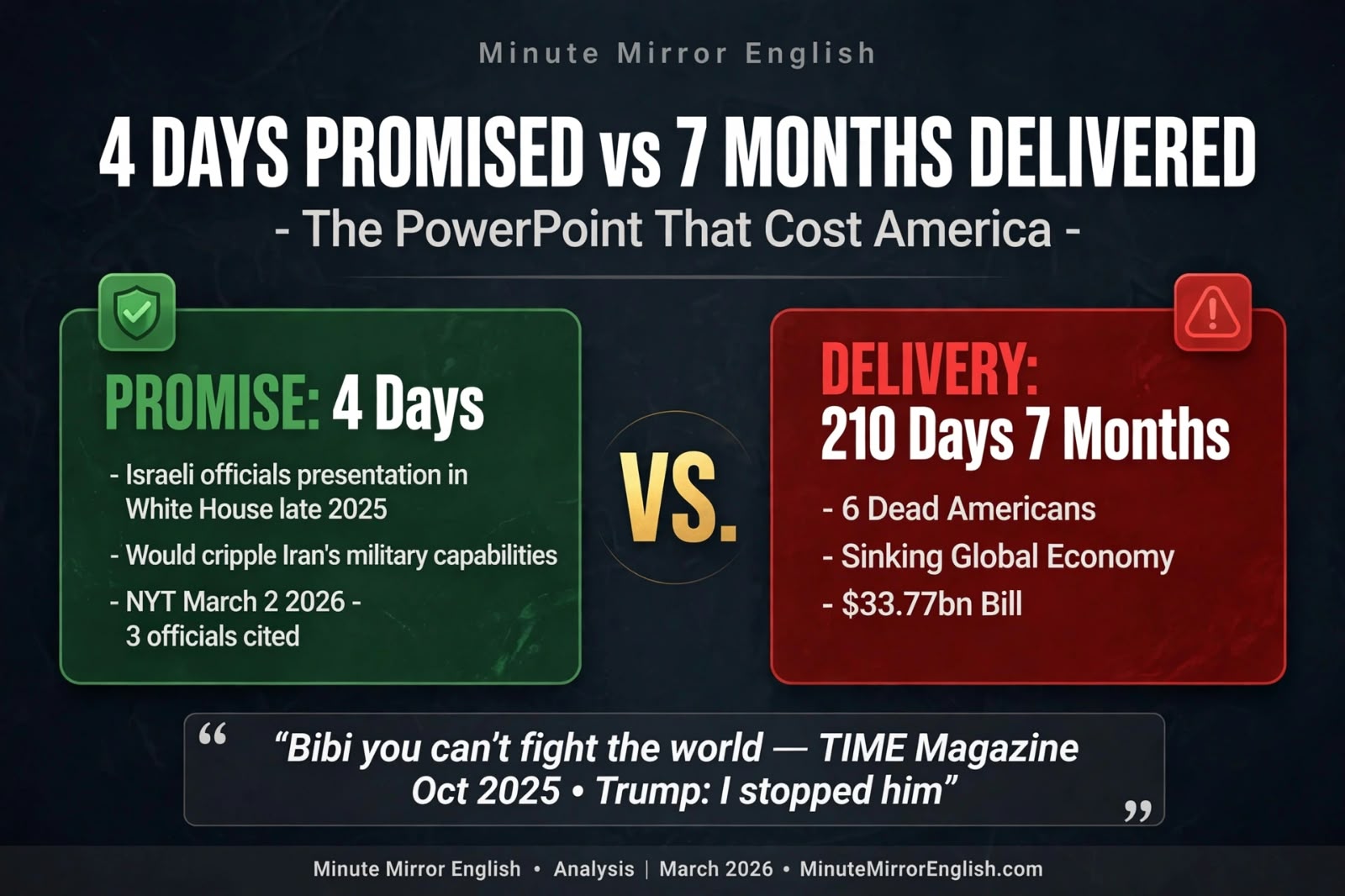
According to figures cited from the Brown University Costs of War Project and researchers including Boston University professor Linda Bilmes, US spending connected to military operations involving Israel and the wider Middle East since October 2023 has reached tens of billions of dollars. Estimates cited in the report put the figure between $31.35 billion and $33.77 billion, including substantial military assistance to Israel.
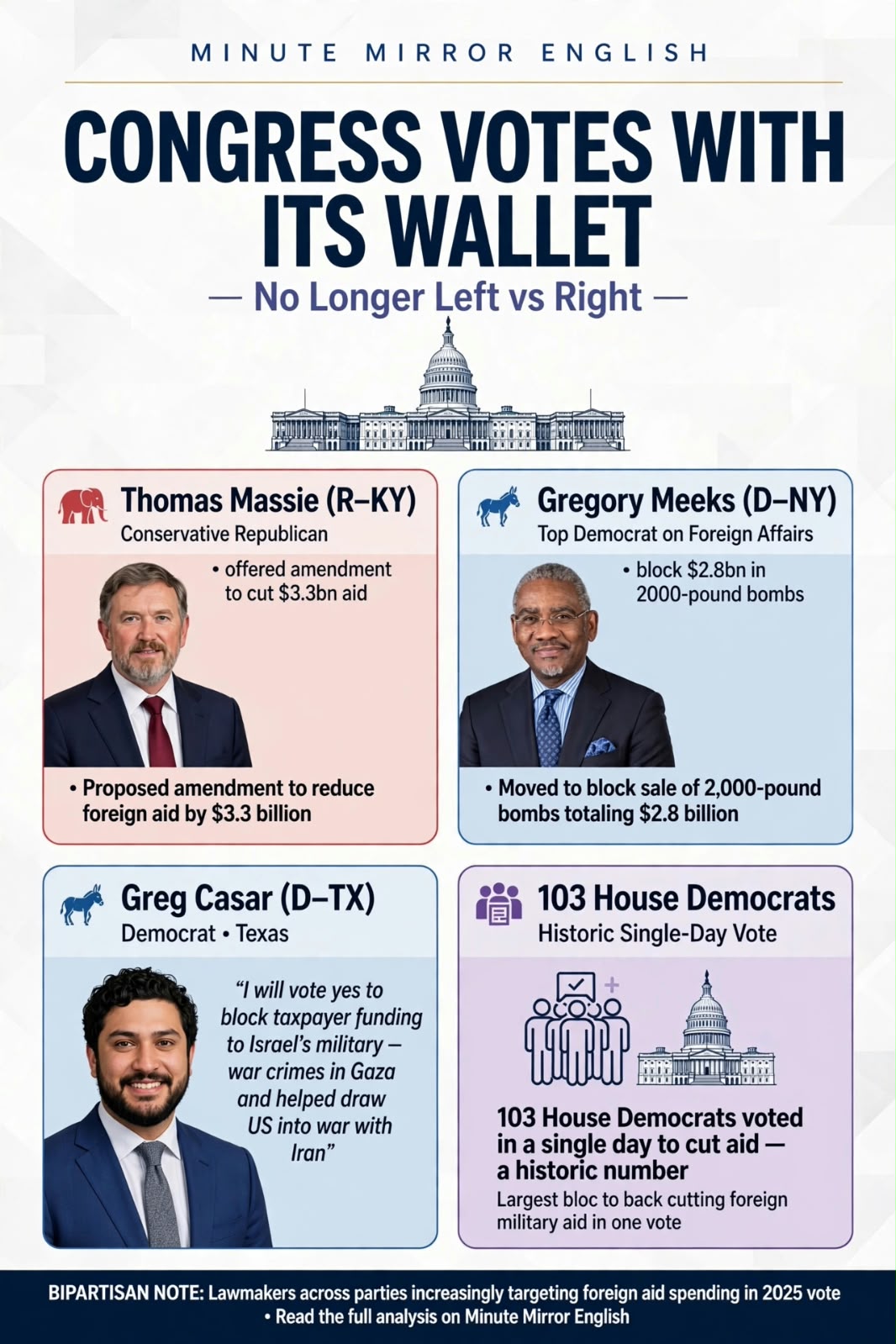
Israel remains the largest cumulative recipient of US military assistance, while the current long-term framework includes a $38 billion memorandum of understanding covering the 2019-2028 period.
The financial debate has intensified alongside the expansion of US military operations in the region. The White House has defended its approach as necessary to protect American interests, prevent Iran from acquiring nuclear weapons and maintain freedom of navigation in the Strait of Hormuz. In April 2026, the administration announced a ceasefire with Iran after Operation Epic Fury and said diplomatic negotiations would continue.
President Donald Trump has also previously spoken about the need to bring Middle Eastern conflicts to an end. In a 2025 TIME interview, he described his efforts to pressure Israeli Prime Minister Benjamin Netanyahu toward ending military operations in Gaza and argued that Israel had become increasingly isolated internationally.
The debate has also reached Congress. Lawmakers from both parties have introduced measures concerning US military involvement and assistance in the region. In July 2026, the White House formally opposed a Senate resolution seeking removal of US forces from hostilities involving Iran, while stating that diplomatic efforts had produced a memorandum of understanding with Tehran.
Another issue concerns the political and financial influence surrounding US Middle East policy. Reports and advocacy groups have examined foreign-policy lobbying and spending registered under the Foreign Agents Registration Act (FARA). Such findings have generated competing interpretations about the extent to which organized lobbying affects congressional and public debate.
Pakistan has also emerged as a possible diplomatic channel because of its relations with both Iran and the wider Muslim world. Islamabad has previously played a role in regional diplomatic contacts and could potentially support communication aimed at reducing tensions, although any future mediation would depend on agreement among the parties involved.
The central question for Washington is therefore not only how much military operations cost, but also how long the United States intends to remain directly involved in regional conflicts.
The White House continues to frame its policy around American security, deterrence and freedom of navigation. Critics, meanwhile, argue that prolonged military commitments carry significant financial and strategic costs.
With US military spending in the Middle East remaining a major issue, the debate over diplomacy, military engagement and taxpayer costs is likely to remain central to American foreign-policy discussions.
We welcome your contributions! Submit your blogs, opinion pieces, press releases, news story pitches, and news features to opinion@minutemirror.com.pk and minutemirrormail@gmail.com