Summary
- China is preparing to open a regular container shipping route through the Arctic as disruptions at major maritime chokepoints continue to affect global trade.
- The new service will operate through Russia’s Northern Sea Route along the Arctic coast.
- It also views the Northern Sea Route as a major trade corridor.
China is preparing to open a regular container shipping route through the Arctic as disruptions at major maritime chokepoints continue to affect global trade.
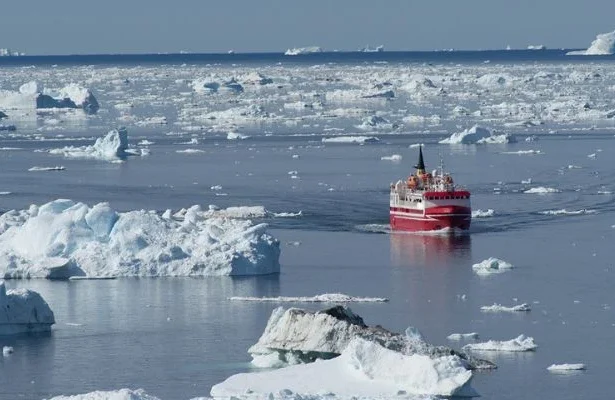
The new service will operate through Russia’s Northern Sea Route along the Arctic coast. It is being presented as an alternative route between Asia and Europe.
Chinese shipping company Sea Legend is expected to launch its first regular service on the route. The service will connect Ningbo in China with Felixstowe in the United Kingdom.
The route has been described as the “Ice Silk Road”. It is designed to provide faster access to European markets. It could also improve trade links with Turkey and North Africa.
The Arctic route could significantly reduce sailing times between China and Europe. The journey between Ningbo and Felixstowe normally takes around 40 days by traditional routes. The Northern Sea Route could cut the travel time by roughly half under suitable conditions.
The route has gained attention as shipping companies look for alternatives to heavily congested and politically sensitive waterways.
The Strait of Hormuz and the Bab al-Mandab have become major areas of concern for international shipping. Rising tensions in these regions have increased risks for vessels and raised costs for shipping companies.
Marine risk experts say the Arctic is attracting greater interest from shipowners because it can offer shorter journeys and reduce exposure to geopolitical conflict zones.
The Northern Sea Route is divided into 28 sections. Different rules and operating requirements apply along the route. Ships generally need permission from the Northern Sea Route administration, which is controlled by Russia’s state nuclear energy company Rosatom.
Interest in the Arctic route is not new. Several international shipping companies have previously tested the Northern Sea Route.
However, many European operators later avoided regular use of the route because of worsening relations with Russia. Concerns over the potential environmental impact of increased shipping in the fragile Arctic ecosystem have also remained a major issue.
The changing climate has added another dimension to the debate. Shrinking sea ice has made some Arctic routes more accessible during parts of the year.
The Arctic is now becoming an increasingly important area of competition among major powers.
Russia considers the region strategically important for its economy and national security. It also views the Northern Sea Route as a major trade corridor.
China has described itself as a “near-Arctic state” and has promoted the concept of a “Polar Silk Road”. Beijing sees greater Arctic access as an opportunity to expand trade and strengthen its global supply chains.
The United States, meanwhile, has opposed efforts that could give Russia and China excessive control over Arctic routes. Washington has repeatedly supported freedom of navigation and greater international access to the region.
The growing use of the Arctic shipping corridor could therefore have implications beyond commercial trade.
For China, the route offers a potential way to reduce dependence on traditional maritime passages. For Russia, it could strengthen the economic importance of its Arctic coastline.
We welcome your contributions! Submit your blogs, opinion pieces, press releases, news story pitches, and news features to opinion@minutemirror.com.pk and minutemirrormail@gmail.com