Summary
- At Yanshan University, I discovered that China’s progress is not defined by replacing its past but by building upon it.
- In an increasingly interconnected world, this balance offers an important lesson: true progress is achieved not by abandoning tradition, but by allowing it to inspire innovation.
- Here, where tradition meets tomorrow, I have found not only a university but also a deeper appreciation of China’s enduring spirit and its vision for the future.
By Areeba Younis
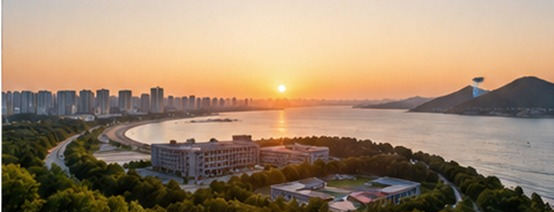
The first rays of sunlight spread across the campus of Yanshan University as students quietly begin another day. Some walk purposefully toward classrooms with books in hand, while others pause beneath tree-lined pathways to enjoy the calm before lectures begin. In the distance, the modern skyline of Qinhuangdao reflects the morning light, while the quiet rhythm of campus life unfolds with remarkable order. For an international student, these seemingly ordinary moments reveal something extraordinary: a place where centuries of cultural heritage and the ambitions of a modern nation exist in harmony.
When I first arrived in China from Pakistan, I expected to encounter advanced technology, modern cities, and world-class universities. Those expectations were quickly fulfilled. What I did not anticipate was how naturally tradition and innovation would coexist in everyday life. At Yanshan University, I discovered that China’s progress is not defined by replacing its past but by building upon it. Every day offers new evidence that preserving cultural identity and embracing innovation are not opposing goals—they are complementary forces shaping the country’s future.
Walking across campus, I often see students reading beneath ancient-style pavilions before entering laboratories equipped with cutting-edge technology. Traditional Chinese architecture blends seamlessly with modern academic buildings, creating an environment that respects history while encouraging discovery. This balance extends beyond the university itself. Whether observing cultural festivals enthusiastically celebrated by both Chinese and international students or attending lectures on artificial intelligence, engineering, and sustainable development, I have witnessed how the values of the past continue to guide the innovations of tomorrow.
The experience extends beyond the classroom. Nearby streets reflect the same remarkable balance. Local restaurants continue to prepare recipes passed down through generations, while customers pay using digital platforms within seconds. Morning markets preserve customs that have connected communities for decades, yet efficient transportation systems, smart city infrastructure, and digital services demonstrate how technological advancement has become part of everyday life. Rather than replacing tradition, innovation appears to strengthen it by making daily life more connected, accessible, and efficient.
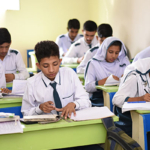
Yanshan University itself represents this philosophy. Its reputation for excellence in engineering and scientific research reflects China’s commitment to technological advancement, yet the university also places great importance on cultural exchange, community, and mutual respect. As international students, we are encouraged not only to pursue academic success but also to understand Chinese culture through festivals, volunteer activities, language learning, and interactions with local communities. These experiences transform education into something far greater than earning a degree—they become lessons in understanding different perspectives and appreciating shared human values.
Living in Qinhuangdao has further deepened this understanding. The city’s coastal beauty, green parks, and historic landmarks exist alongside expanding infrastructure, modern industries, and sustainable urban development. The coexistence of natural landscapes and economic progress reflects a broader vision of development that values both environmental stewardship and long-term prosperity. As someone studying economics and business, I find this balance particularly meaningful because it demonstrates that development can be measured not only by growth but also by the quality of life it creates.
Perhaps the greatest lesson I have learned is that China’s future is being built without losing sight of its cultural foundations. Respect for education, family, community, and tradition continues to shape daily life even as technology transforms industries and society. This combination has challenged many of my previous assumptions about modernization. Rather than viewing tradition and innovation as competing forces, I have come to see them as partners in creating resilient and sustainable progress.
As the evening lights illuminate the campus and students gather to discuss assignments, share meals, or simply enjoy a walk with friends, Yanshan University becomes more than a place of higher learning. It becomes a meeting point where cultures, ideas, and aspirations come together. Every conversation, every shared experience, and every lesson contributes to a broader understanding that education is not confined to classrooms—it is found in the relationships we build and the perspectives we gain.
For me, studying at Yanshan University has been more than an academic journey. It has been an opportunity to witness how a nation can confidently embrace the future while honoring its past. In an increasingly interconnected world, this balance offers an important lesson: true progress is achieved not by abandoning tradition, but by allowing it to inspire innovation. Here, where tradition meets tomorrow, I have found not only a university but also a deeper appreciation of China’s enduring spirit and its vision for the future.
We welcome your contributions! Submit your blogs, opinion pieces, press releases, news story pitches, and news features to opinion@minutemirror.com.pk and minutemirrormail@gmail.com