Summary
- He explained that global trade is undergoing a significant transformation as digital commerce removes traditional barriers that once limited small businesses from entering international markets.
- “AI is making global trade easier and more accessible,” Yang noted, adding that businesses embracing digital innovation today will enjoy a competitive advantage in the years ahead.
- With CPEC 2.0 gathering momentum and AI revolutionising international trade, Pakistan’s SMEs may soon find themselves better positioned than ever to compete on the global stage, opening a new chapter in the country’s economic growth and export journey.
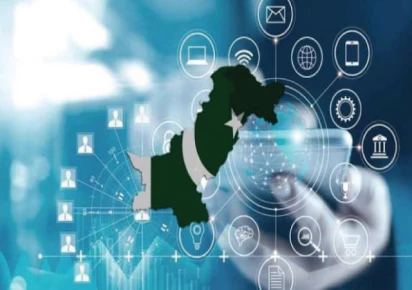
ISLAMABAD: Pakistan could be on the verge of a major export breakthrough as the second phase of the China-Pakistan Economic Corridor (CPEC 2.0) and the rapid adoption of artificial intelligence (AI) create fresh opportunities for local businesses to reach global markets, according to a senior Alibaba.com executive.
Speaking in an exclusive interview, Shawn Yang, General Manager for Asia Pacific at Alibaba.com, said Pakistan possesses the industrial strength, entrepreneurial talent and manufacturing capability needed to emerge as a leading digital export economy. However, he stressed that achieving this potential will require business-friendly reforms, greater use of technology and easier export procedures.
Yang believes CPEC 2.0 could become a game changer by going beyond roads and infrastructure to strengthen industrial cooperation, improve logistics networks and lower trade costs. These improvements, he said, would help Pakistani manufacturers compete more effectively in international markets while expanding their access to buyers worldwide.
He explained that global trade is undergoing a significant transformation as digital commerce removes traditional barriers that once limited small businesses from entering international markets. Today, companies can connect directly with buyers across more than 200 countries through online business-to-business (B2B) platforms without maintaining costly overseas offices or distribution networks.
According to Yang, artificial intelligence is playing a central role in this transformation. AI-powered tools now help businesses prepare professional product listings, generate marketing content, communicate in multiple languages and respond to overseas customers more efficiently.
For Pakistan’s small and medium-sized enterprises (SMEs), these technologies could dramatically reduce operating costs while allowing them to compete with much larger international companies.
“AI is making global trade easier and more accessible,” Yang noted, adding that businesses embracing digital innovation today will enjoy a competitive advantage in the years ahead.
Despite Pakistan’s growing export potential, Yang acknowledged that many local businesses continue to face serious challenges. Limited digital knowledge, weak logistics, lack of international market awareness and difficulties in building trust with overseas buyers remain key obstacles for exporters.
He emphasized that improving digital skills, adopting international quality standards, obtaining certifications and using trusted online B2B marketplaces could significantly strengthen Pakistan’s export readiness.
Yang identified several industries where Pakistan already enjoys a competitive advantage. These include textiles and apparel, sports goods, surgical instruments, leather products, home textiles, furniture, food processing, agricultural products and value-added manufacturing.
With international companies increasingly diversifying their supply chains, Pakistan has an opportunity to position itself as a reliable manufacturing destination capable of delivering quality products on time.
For entrepreneurs entering export markets for the first time, Yang advised focusing on product quality, maintaining a professional digital presence and responding consistently to customer inquiries. He stressed that lasting export success depends on credibility, consistency and building long-term relationships with buyers rather than seeking quick profits.
Looking ahead, Yang predicted that AI will reshape every stage of international business—from product discovery and marketing to customer engagement and strategic decision-making. Businesses that fail to adopt digital technologies, he warned, may struggle to remain competitive in the rapidly evolving global economy.
Alibaba.com says it remains committed to supporting Pakistani businesses by providing access to millions of verified international buyers through its global marketplace, alongside AI-powered business tools, secure communication systems and educational resources that simplify cross-border trade.
As global commerce continues shifting toward digital platforms, experts believe Pakistan stands at a crucial turning point. If policymakers simplify export regulations, maintain stable tax policies and improve the ease of doing business while companies invest in innovation and digital transformation, the country could witness a significant expansion of its exports over the next five years.
With CPEC 2.0 gathering momentum and AI revolutionising international trade, Pakistan’s SMEs may soon find themselves better positioned than ever to compete on the global stage, opening a new chapter in the country’s economic growth and export journey.
We welcome your contributions! Submit your blogs, opinion pieces, press releases, news story pitches, and news features to opinion@minutemirror.com.pk and minutemirrormail@gmail.com