Summary
- For weeks, millions of users who rely on the platform for digital books, research papers, and academic textbooks have faced sudden broken download mirrors, and endless homepage loops.
- It is highly probable that international domain name system (DNS) intervention or targeted internet service provider (ISP) blocks have severed the connection between the site’s frontend interface and its file-hosting servers, leading to the infamous homepage loop glitch. Another technical explanation involves a structural separation between the website’s index database and its cloud storage repositories.
- If a major storage provider or cloud hosting service discovered they were housing pirated material and abruptly pulled the plug on those specific storage buckets, the frontend website would remain perfectly intact, allowing users to browse titles, while the underlying download links would fail simultaneously.
The online reading community has been dismayed following a series of widespread disruptions in OceanofPDF. It’s considered one of the internet’s largest and most heavily utilized shadow libraries. For weeks, millions of users who rely on the platform for digital books, research papers, and academic textbooks have faced sudden broken download mirrors, and endless homepage loops.
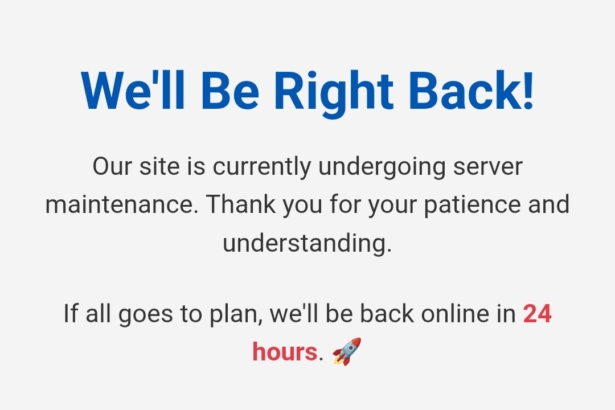
What initially seemed like a minor server glitch has evolved into a prolonged technical crisis. When users attempt to download books, they are routinely redirected back to the site’s primary landing page rather than receiving their files. As panic spreads across online literary forums and social media networks, digital archivists and copyright watchdogs alike are analyzing the root causes of this recent digital mishap. The trouble escalated significantly between April and June of 2026. Avid readers took to community forums like Reddit to voice their frustrations. Many noted that the site’s search function appeared fully opoperation. But the internal mechanics required to package and deliver PDF or EPUB files had collapsed entirely.
When I click the PDF option, it just sends me to another tab of the home page, reported one frustrated user.
This systematic operational failure has rendered the service effectively useless for a massive portion of its global audience for a platform whose identity relies on seamless access to thousands of copyrighted titles. In the meantime, the administrators of OceanofPDF remain traditionally silent. However, several highly plausible hypotheses have emerged from cyber-security experts and industry analysts regarding the platform’s sudden instability. The most prominent theory points to an aggressive, coordinated crackdown by global publishing coalitions and anti-piracy agencies. Shadow libraries operate in an actively legal gray area, frequently drawing intense legal pressure. Organizations like the Authors Guild have historically designated OceanofPDF as a major digital piracy threat.
In Europe, regulatory bodies such as Belgium’s FPS Economy have recently moved to enforce strict anti-piracy blocking mandates against indexing engines. It is highly probable that international domain name system (DNS) intervention or targeted internet service provider (ISP) blocks have severed the connection between the site’s frontend interface and its file-hosting servers, leading to the infamous homepage loop glitch. Another technical explanation involves a structural separation between the website’s index database and its cloud storage repositories. OceanofPDF does not typically host files on a single machine. It depends a web of distributed, decentralized file servers. If a major storage provider or cloud hosting service discovered they were housing pirated material and abruptly pulled the plug on those specific storage buckets, the frontend website would remain perfectly intact, allowing users to browse titles, while the underlying download links would fail simultaneously.
As alternative platforms like Z-Library and Library Genesis continue to face relentless law enforcement scrutiny and domain seizures, massive waves of refugees migrate to secondary sites. The sudden influx of millions of new users may have fundamentally overwhelmed OceanofPDF’s infrastructure.
The administrators may have intentionally restricted downloads or initiated a chaotic server migration to more secure, offshore data centers. Such complex migrations frequently trigger broken database relationships, configuration mismatches, and severe technical hiccups. This ongoing mishap serves as an acute reminder of the inherent instability of shadow libraries. For many in developing nations, these portals represent a vital pathway to educational materials that are otherwise economically inaccessible. For authors and publishers, they represent a direct assault on intellectual property rights.
As the technical battle between copyright enforcers and digital archivers intensifies, the reading community is increasingly forced to look toward alternative, legal digital open-access networks or face a future where the oceans of free literature dry up entirely.
We welcome your contributions! Submit your blogs, opinion pieces, press releases, news story pitches, and news features to opinion@minutemirror.com.pk and minutemirrormail@gmail.com