Summary
- Learning suffers when only one teacher has to manage 200 students while ghost teachers continue to receive salaries from the comfort of their homes.
- If 10,000 ghost teachers receive salaries, it costs the government millions of rupees every month—money that could be used to build hundreds of schools and hire thousands of genuine teachers.
- Ghost teachers do not simply skip school; they steal years from a child’s life.
By: Nida Azeem
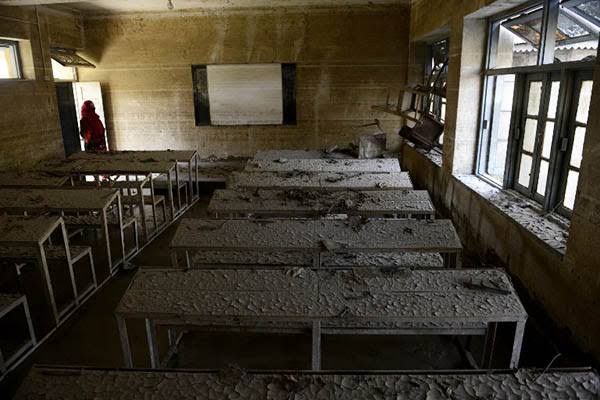
An empty classroom is a crime against a child’s future. In Pakistan, thousands of such crimes are committed every day. A ghost teacher is a government employee who exists on the payroll and draws a salary but never attends school or teaches a single class. While 22.8 million children remain out of school, these individuals collect more than Rs. 50,000 per month for doing nothing. This problem is not caused by a lack of funds, budgets, or qualified teachers; rather, it is the result of a lack of accountability. Ghost teachers show how political negligence is destroying education from within.
Education is the foundation of a country’s progress, and schools need qualified and dedicated teachers to help students learn and succeed. The causes of ghost teachers are alarming. This problem usually occurs because of weak monitoring systems, poor payroll management, and zero punishment. The monitoring system is ineffective. For example, Khyber Pakhtunkhwa has around 28,000 schools but only 2,000 monitoring staff. There are no proper inspections to ensure that teachers attend their classes and report to school regularly.
The biggest cause is the absence of strict punishment. There is little or no action taken by the government against ghost teachers. According to World Bank reports, Pakistan recovers only about 5% of fraudulent public funds. There are often no FIRs, no jail terms, and no recovery of the money lost.
The impact of ghost teachers is far-reaching. Learning suffers when only one teacher has to manage 200 students while ghost teachers continue to receive salaries from the comfort of their homes. The financial loss is enormous. If 10,000 ghost teachers receive salaries, it costs the government millions of rupees every month—money that could be used to build hundreds of schools and hire thousands of genuine teachers. The problem also contributes to the youth crisis. Around 1.5 million graduates remain unemployed while teaching positions are occupied by people who never enter a classroom.
The solution is clear and affordable. This problem can be reduced through strict government action and by closing the gaps in the system. Biometric attendance, GPS-based photo verification, and surprise inspections by monitoring staff can significantly reduce the ghost teacher crisis. A school without a teacher is nothing more than an empty building, and every child deserves a real teacher in the classroom every day.
To conclude, ghost teachers are not merely absent teachers; they represent absent governance. They waste public resources, reduce the quality of education, and limit opportunities for students.
Every child wakes up each morning, carries a school bag, and walks to school with hope. Yet many are welcomed by an empty classroom with only chairs, windows, and a blackboard. What is missing is the teacher—someone to guide them, understand them, and teach them new things. Unfortunately, when teachers are absent, students suffer the consequences. Ghost teachers do not simply skip school; they steal years from a child’s life.
We welcome your contributions! Submit your blogs, opinion pieces, press releases, news story pitches, and news features to opinion@minutemirror.com.pk and minutemirrormail@gmail.com