Summary
- MCX gold slipped Rs 3,500 to struggle below Rs 1.46 lakh per 10 grams, while silver cratered Rs 8,500 to trade around Rs 2.29 lakh per 10 grams.
- Back then, MCX gold touched over Rs 1.75 lakh per 10 grams and silver hit Rs 3.79 lakh per kilogram, driven by fears of a wider Middle East war.
- By February 18, however, spot gold had cooled to Rs 1,51,196 per 10 grams and silver to Rs 2,37,025 per kilogram.
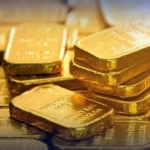
When trading screens flashed red on June 19, 2026, it sent a jolt from Karachi’s Sarafa Bazaar to wedding halls in Islamabad. MCX gold slipped Rs 3,500 to struggle below Rs 1.46 lakh per 10 grams, while silver cratered Rs 8,500 to trade around Rs 2.29 lakh per 10 grams. In the spot market, gold dropped 1% to trade below $4,180 per ounce and silver plunged 2% to sit under $65 per ounce. For South Asia, where gold is not just a commodity but a family’s insurance policy, the question is immediate: Is this a buying window or the start of a deeper fall?
The crash looks starker when set against January’s euphoria. Back then, MCX gold touched over Rs 1.75 lakh per 10 grams and silver hit Rs 3.79 lakh per kilogram, driven by fears of a wider Middle East war. By February 18, however, spot gold had cooled to Rs 1,51,196 per 10 grams and silver to Rs 2,37,025 per kilogram. The slide accelerated in April, with gold down nearly 12% from its January peaks and MCX prices settling into the Rs 1.45–1.5 lakh range.
Jateen Trivedi, VP Research Analyst, Commodity and Currency at LKP Securities, argues this is not a collapse of gold’s safe-haven status. “The current fall is not due to a loss of safe-haven appeal, but rather a shift in macro expectations,” he says. “Rising crude oil prices are keeping global inflation elevated, which is forcing central banks, especially the US Federal Reserve, to maintain a higher-for-longer interest rate stance.”
That logic played out between February 28 and March 13. As tensions around the Strait of Hormuz sent crude oil up 40.8%, gold fell 3.5% and silver dropped 10.5% in the same two-week window. War-driven oil spikes strengthened the dollar instead of bullion. The US Dollar Index rallied on liquidity demand, and Fed signals of more rate hikes this year further lifted the greenback. Higher borrowing costs raise the opportunity cost of holding non-yielding assets like gold. On June 19, the Fed’s hawkish remarks again outweighed any optimism from a reported US-Iran interim peace deal, keeping pressure on metals.
Conventional wisdom says geopolitical shocks push gold higher. 2026 broke that rule. Robert Kiyosaki, author and investor, notes that “short-term fear pushes money into the U.S. dollar, not gold.” Investors seeking immediate liquidity during the Iran-Israel-US escalation parked funds in dollars and Treasuries first. The result was counterintuitive: despite missiles and headlines, bullion bled.
Indian finance creator Anant Ladha warned in March that a US-Israel strike on Iran’s South Pars gasfield could send oil to $150 per barrel, with ripple effects on Indian stock markets, gold, and silver rates. The warning underlines how the war’s impact on precious metals now runs through oil and the dollar, not through panic buying of physical gold alone.
The scale of the unwind was historic. On May 27, 2026, precious metals lost $1.30 trillion in market value in a single day. Gold slid 3.21%, erasing $997 billion, while silver fell 6.50%, wiping out $271 billion. Gold and silver ETFs tumbled as much as 6% as safe-haven demand weakened, despite a sharp IT selloff in equity markets the same day.
For ordinary Pakistani families, the crash is breathing room. A 10-tola gold set that cost Rs 17.5 lakh in January now runs around Rs 14.6 lakh, a difference of Rs 2.9 lakh. That’s a semester of university fees, or a major chunk of a dowry, suddenly back in the household budget. Jewelers in Lahore’s Liberty Market report a pickup in footfall, mostly from middle-class buyers who had postponed purchases.
Investors, however, are nursing losses. Those who bought at January’s peak are down over 16% on gold and even more on silver. ETFs reflected the pain, with silver funds hit harder due to silver’s dual role as both an industrial metal and investment asset. When global growth concerns rise, silver reacts more sharply than gold because sectors like electronics, energy, and electric vehicles cut demand forecasts.
For Pakistan’s economy, cheaper gold has a mixed ledger. On the positive side, a lower import bill for gold eases pressure on foreign exchange reserves, critical when the State Bank is managing external payments. On the risk side, the same war that knocked gold down could squeeze remittances if oil at $150 slows Gulf economies where over 4.5 million Pakistanis work. Higher oil also means costlier petrol at home, even if gold jewelry gets cheaper.
Diplomatically, Islamabad is watching the US-Iran peace signals closely. Traders note that shipping conditions through the Strait of Hormuz improved after the interim deal, dialing back some inflation fears. But analysts caution it could take months for energy flows to normalize to pre-conflict levels. Until then, the dollar stays king and gold stays capped.
The path forward splits opinion. From the US perspective, Kiyosaki sees a “three-stage pattern”: initial dollar strength, followed by inflation and falling real rates, then a gold rally. If the Fed is forced to cut rates later this year as growth slows, non-yielding gold regains shine.
From Europe and China, the view is cooler. Daniela Corsini, economist at Intesa Sanpaolo, predicts gold could fall to around $4,000 per ounce and silver to $60 by the end of 2026 before stabilizing. Her case rests on continued dollar strength and reduced speculative positioning.
L
For long-term investors, Tanvi Kanchan, Associate Director at Anand Rathi Shares, says the structure hasn’t broken. “The structural drivers ,central bank buying, de-dollarisation, supply deficits, and industrial demand, continue to remain,” she explains. “Thus for an investor looking at a 5-10 year horizon can add allocation in a staggered manner.”
Short term, gold’s fate is tied to three things: the dollar, oil, and the Fed. If the Iran-Israel-US conflict re-escalates and chokes oil supply, inflation could force central banks to choose between growth and price stability. A dovish pivot would weaken the dollar and lift gold. If peace holds, the dollar stays strong, and rates stay high, Corsini’s $4,000 forecast comes into play.
For Pakistan, the lesson of 2026 is blunt: war no longer guarantees a gold rally. Sometimes, it crowns the dollar instead.
This crash favors buyers over hoarders, for now.
We welcome your contributions! Submit your blogs, opinion pieces, press releases, news story pitches, and news features to [email protected] and [email protected]