Summary
- Residents of Guam and the Northern Mariana Islands are preparing for the arrival of Super Typhoon Bavi as forecasters warn that the powerful storm could bring destructive winds and dangerous weather across the US Pacific territories.
- Officials advised residents of both Guam and the Northern Mariana Islands to expect at least tropical storm conditions and to prepare for the possibility of stronger impacts as the storm approaches.
- The Northern Mariana Islands are home to about 40,000 people, while neighbouring Guam has a population of around 170,000.
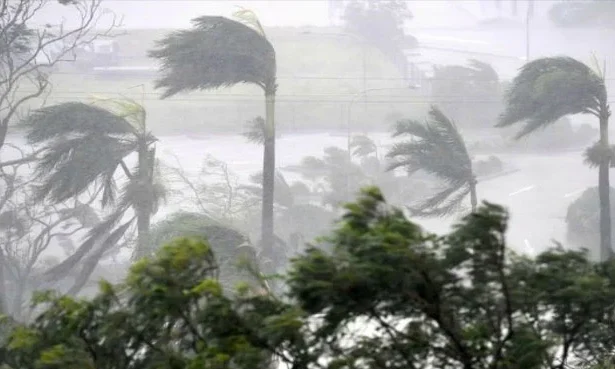
Residents of Guam and the Northern Mariana Islands are preparing for the arrival of Super Typhoon Bavi as forecasters warn that the powerful storm could bring destructive winds and dangerous weather across the US Pacific territories. Authorities have declared states of emergency and urged people to complete preparations before conditions worsen.
According to the Joint Typhoon Warning Center, Bavi was located several hundred kilometres east of the island chain on Saturday morning. The storm was packing sustained winds of 259 kilometres per hour, with gusts reaching up to 314 kilometres per hour, making it comparable to a Category 5 hurricane. Weather experts warned that the typhoon could bring severe damage if it continues on its current path.
The US National Weather Service said forecasts present a serious threat to the Mariana Islands. Officials advised residents of both Guam and the Northern Mariana Islands to expect at least tropical storm conditions and to prepare for the possibility of stronger impacts as the storm approaches.
The warning has prompted widespread preparations across the islands. Long lines formed at petrol stations as residents rushed to fill their vehicles and emergency fuel containers. Hardware stores saw heavy demand for plywood and other building materials used to protect homes, while supermarkets experienced a surge in customers buying bottled water, food and emergency supplies.
Jeff Garcia, a resident of Kagman Village in the Northern Mariana Islands, said protecting families and property remained the highest priority. He noted that island communities have faced powerful typhoons before and understand the importance of preparing early for severe weather.
The approaching storm has also disrupted Independence Day celebrations marking the 250th anniversary of the United States. Many public events were cancelled as local governments shifted their attention to emergency planning and disaster response.
Businesses have also taken precautionary measures. Staff at the Pacific Islands Club Saipan spent Friday boarding up windows, securing outdoor furniture and equipment, checking safety systems and preparing emergency medical supplies. Similar preparations were reported at hotels, businesses and public facilities across the islands.
The Northern Mariana Islands are home to about 40,000 people, while neighbouring Guam has a population of around 170,000. Both territories have experienced devastating storms in the past and remain vulnerable to powerful tropical cyclones that form over the Pacific Ocean.
Many communities are still recovering from the effects of Super Typhoon Sinlaku, which struck the region in April. That storm caused widespread destruction by cutting electricity to thousands of homes, uprooting trees, overturning vehicles and tearing roofs from buildings. It also led to a maritime tragedy when the cargo ship MV Mariana lost power and capsized during the storm. One crew member died and five others remain missing after being presumed dead.
The American Red Cross said some families affected by the earlier typhoon are still living in temporary shelters or damaged homes with makeshift roofs. Relief teams have been deployed across the islands with emergency supplies and disaster response equipment ahead of Bavi’s expected arrival.
Scientists have also pointed to the role of rising ocean temperatures in strengthening tropical storms. The European Union’s Copernicus Marine Service recently reported that the world’s oceans recorded their warmest June on record. Higher sea surface temperatures provide more energy for tropical systems, allowing storms to become stronger and carry greater amounts of moisture that can produce intense rainfall and flooding.
With Bavi continuing to move toward the region, authorities are urging residents to stay informed through official weather updates and complete all necessary preparations while conditions remain safe. Emergency services remain on standby as the islands prepare for what could become one of the strongest storms to threaten the region this year.
We welcome your contributions! Submit your blogs, opinion pieces, press releases, news story pitches, and news features to opinion@minutemirror.com.pk and minutemirrormail@gmail.com