Summary
- Tensions along the Israeli-Lebanese border flared once again late Wednesday, with Hezbollah claiming responsibility for two fresh drone strikes against Israeli army positions in southern Lebanon.
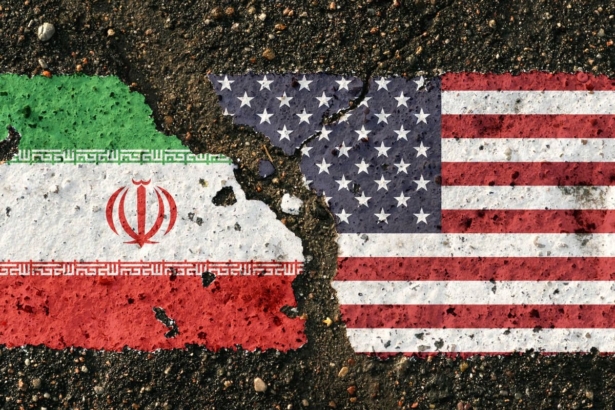
- Meanwhile, Switzerland has offered to host the signing ceremony for a potential U.S.-Iran peace deal, a move that, if realized, could mark the most significant diplomatic thaw between the two adversaries in decades.
- Hezbollah has framed its drone operations as a direct response to ongoing Israeli military activity near the border, though neither the Israel Defense Forces nor international observers had independently confirmed the strikes at the time of publication.
Tensions along the Israeli-Lebanese border flared once again late Wednesday, with Hezbollah claiming responsibility for two fresh drone strikes against Israeli army positions in southern Lebanon. The attacks, reported just before 11 p.m. local time, targeted artillery posts at Tallet al-Hammas, south of the strategic town of Khiam, and at Mazraat Sarda, according to statements the group released on Telegram.
The escalating cross-border violence comes at a bizarre diplomatic inflection point. Within an hour of Hezbollah’s claim, a senior U.S. official hinted that a prospective “Iran war deal” would also encompass Lebanon—raising urgent questions about what role Hezbollah, Tehran’s most powerful regional proxy, might play in any future accord. Meanwhile, Switzerland has offered to host the signing ceremony for a potential U.S.-Iran peace deal, a move that, if realized, could mark the most significant diplomatic thaw between the two adversaries in decades.
On the ground, however, the rhetoric remains fiery. Hezbollah has framed its drone operations as a direct response to ongoing Israeli military activity near the border, though neither the Israel Defense Forces nor international observers had independently confirmed the strikes at the time of publication. The group’s Telegram channel posted brief, defiant bulletins, claiming “direct hits” on Israeli artillery emplacements , statements typical of a low-intensity conflict that has simmered since the Gaza war erupted in October.
The diplomatic undercurrents are impossible to ignore. A deal between Washington and Tehran potentially brokered or endorsed by Switzerland would likely include restrictions on Iran’s nuclear program and ballistic missile development. But the U.S. official’s comment that such an agreement “includes Lebanon” suggests a previously unreported dimension: negotiations over Hezbollah’s military posture along Israel’s northern frontier. For Israel, any arrangement that leaves Hezbollah’s precision-guided missile arsenal intact would be a nonstarter.
Yet as diplomats theorize in Geneva and Washington, fighters on the ground are moving drones into launch positions. The gap between a potential peace deal and the reality of Hezbollah’s daily attacks could not be wider. For now, southern Lebanon’s hills echo not with the signing of treaties, but with the buzz of unmanned aircraft and the rumble of retaliation. Whether Switzerland’s offer represents a genuine off-ramp or merely a diplomatic sideshow will depend on who if anyone can convince Hezbollah’s trigger fingers to pause.