


Summary
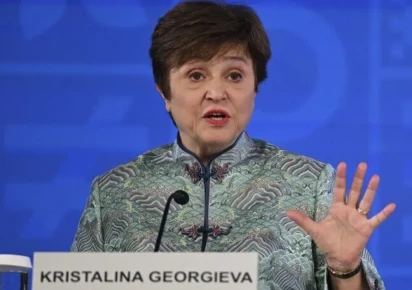
- The global economy is facing growing risks from high energy prices, the rapid expansion of artificial intelligence and record levels of public debt, International Monetary Fund Managing Director Kristalina Georgieva warned on Wednesday.
- Speaking in Singapore ahead of the IMF and World Bank annual meetings in Thailand, Georgieva said policymakers were dealing with three major economic pressures that could reshape the global outlook.
- Global public debt is expected to exceed 100 per cent of the world’s economic output in the near future, reaching levels not seen since the period following World War II, Georgieva said.
The global economy is facing growing risks from high energy prices, the rapid expansion of artificial intelligence and record levels of public debt, International Monetary Fund Managing Director Kristalina Georgieva warned on Wednesday.
Speaking in Singapore ahead of the IMF and World Bank annual meetings in Thailand, Georgieva said policymakers were dealing with three major economic pressures that could reshape the global outlook.
She said the world was experiencing a negative energy supply shock while simultaneously facing strong demand driven by the rapid development of AI.
Global public debt is expected to exceed 100 per cent of the world’s economic output in the near future, reaching levels not seen since the period following World War II, Georgieva said.
Advanced economies account for a significant share of the rising debt burden, with several carrying particularly high levels of government borrowing.
Georgieva also warned that energy prices remained a major concern. Oil prices were hovering around $100 a barrel, partly because of higher transportation costs and continuing geopolitical risks.
She said natural gas supplies from the Gulf had also been disrupted because of security threats affecting shipping through the Strait of Hormuz.
At the same time, the rapid expansion of AI is creating a powerful new source of global demand. Georgieva said AI-related hardware and products now make up more than 10 per cent of global goods trade.
If managed effectively, AI could add as much as 0.5 percentage points to global economic growth each year, she said.
Georgieva urged governments to take timely steps to strengthen their finances rather than delaying difficult decisions. She called for credible plans to reduce fiscal deficits and manage rising debt.
She also advised central banks to maintain a cautious approach to monetary policy as the AI investment boom, elevated energy costs and heavy public borrowing could add to inflationary pressures.
The IMF chief said policymakers would need to carefully balance the potential benefits of technological progress against the economic risks created by energy disruptions and unsustainable debt levels.
We welcome your contributions! Submit your blogs, opinion pieces, press releases, news story pitches, and news features to opinion@minutemirror.com.pk and minutemirrormail@gmail.com