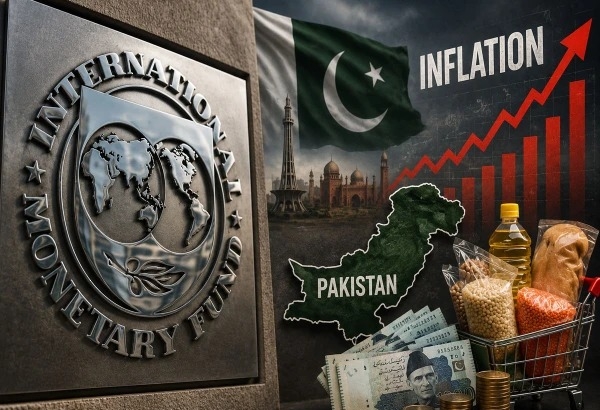
IMF forecasts rise in Pakistan’s Inflation rate for 2026–27

Meerab Khan
By
Meerab Khan
Meerab khan is a BS English literature and linguistic student at Allama Iqbal open university. She can be reached at meerabkhan111306@gmail.com
3 Min Read

Summary

  • While this represents an increase compared to the previous year, the IMF believes inflation will remain within the single-digit range over the medium term, signaling a relatively stable outlook despite ongoing economic challenges.
  • The IMF noted that Pakistan has experienced average single-digit inflation over the past two fiscal years, reflecting progress in controlling price growth after periods of significantly higher inflation.
  • The organization expects Pakistan to keep average inflation within single digits over the next five years, indicating confidence that economic management and policy adjustments could help maintain price stability.

AI Generated Summary

The International Monetary Fund (IMF) has projected that Pakistan’s inflation rate will increase during the 2026–27 fiscal year, exceeding both last year’s level and the government’s official target. The forecast was released in the IMF’s latest country report on Pakistan, which outlines the organization’s assessment of the country’s economic outlook.

According to the report, inflation is expected to average 8.4% during the current fiscal year. While this represents an increase compared to the previous year, the IMF believes inflation will remain within the single-digit range over the medium term, signaling a relatively stable outlook despite ongoing economic challenges.

The report also projects that inflation will gradually decline over the next four fiscal years after the current increase. This suggests that while price pressures may remain elevated in the short term, they are expected to ease as economic conditions improve and policy measures take effect.

The IMF noted that Pakistan has experienced average single-digit inflation over the past two fiscal years, reflecting progress in controlling price growth after periods of significantly higher inflation. Maintaining inflation at manageable levels is considered essential for supporting economic stability, protecting household purchasing power, and encouraging investment.

Inflation remains one of the most closely watched economic indicators in Pakistan because it directly affects the cost of living. Rising prices for food, fuel, transportation, and other essential goods can place additional financial pressure on families and businesses. A higher inflation rate may also influence monetary policy decisions, including interest rates set by the State Bank of Pakistan.

The IMF’s latest assessment comes as Pakistan continues implementing economic reforms aimed at strengthening fiscal discipline, improving revenue collection, and maintaining macroeconomic stability. These reforms are expected to play a key role in shaping the country’s economic performance over the coming years.

Despite the projected rise in inflation during the current fiscal year, the IMF’s longer-term outlook remains relatively positive. The organization expects Pakistan to keep average inflation within single digits over the next five years, indicating confidence that economic management and policy adjustments could help maintain price stability.


The IMF’s country report provides policymakers, investors, and businesses with important insights into Pakistan’s economic prospects. As the government works to balance economic growth with inflation control, the latest forecast highlights both the challenges and opportunities facing the country’s economy in the years ahead.

We welcome your contributions! Submit your blogs, opinion pieces, press releases, news story pitches, and news features to opinion@minutemirror.com.pk and minutemirrormail@gmail.com
Share This Article
Meerab khan is a BS English literature and linguistic student at Allama Iqbal open university. She can be reached at meerabkhan111306@gmail.com
Leave a Comment

Leave a Reply

Your email address will not be published. Required fields are marked *