Summary
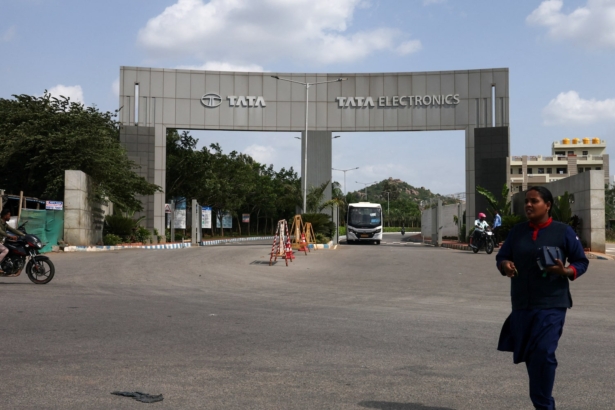
- HOSUR (TAMIL NADU): An Indian state health authority has launched an investigation into allegations that liquid discharge from Tata Electronics’ iPhone components factory has contaminated nearby farmland, with some farmers reporting skin irritation and water pollution affecting their crops.
- According to three officials and government documents reviewed by Reuters, health authorities began investigating after farmers raised complaints about water quality and environmental damage near the plant.
- A district medical officer in Ullugurukkai village wrote in a May 27 letter that wastewater from the plant had produced a “severe foul smell” and made nearby water sources “unsuitable for animals to drink.” The letter further claimed that discharged water had accumulated in surrounding fields and contaminated wells used by farmers, with reports of residents experiencing skin-related health issues.
HOSUR (TAMIL NADU): An Indian state health authority has launched an investigation into allegations that liquid discharge from Tata Electronics’ iPhone components factory has contaminated nearby farmland, with some farmers reporting skin irritation and water pollution affecting their crops.
The probe adds a new layer of scrutiny to Apple’s expanding supply chain in India, where Tata Electronics plays a key role in producing iPhone parts. The facility in Hosur, which began operations in 2021, manufactures iPhone back covers and other components as part of India’s growing electronics ecosystem.
According to three officials and government documents reviewed by Reuters, health authorities began investigating after farmers raised complaints about water quality and environmental damage near the plant. The inquiry is now running alongside a separate environmental review by the Tamil Nadu Pollution Control Board.
The pollution board had earlier issued a warning notice to the factory on May 25, alleging groundwater contamination in surrounding agricultural areas. However, Tata Electronics has denied wrongdoing, stating that recent water tests from inside its facility showed no signs of contamination.
Despite this, concerns from local communities have intensified. A district medical officer in Ullugurukkai village wrote in a May 27 letter that wastewater from the plant had produced a “severe foul smell” and made nearby water sources “unsuitable for animals to drink.”
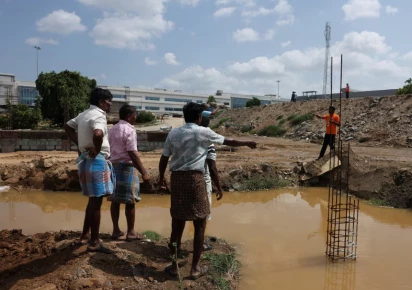
The letter further claimed that discharged water had accumulated in surrounding fields and contaminated wells used by farmers, with reports of residents experiencing skin-related health issues. While no clinical cases have been confirmed, officials acknowledged receiving multiple complaints from villagers.
Two water samples collected from nearby farms were submitted for laboratory testing, and both reportedly tested positive for E. coli bacteria, an indicator of faecal contamination. A district public health report dated May 30 confirmed the presence of the bacteria, raising further concerns about sanitation and industrial waste management.
A senior health official overseeing the investigation confirmed that the probe remains ongoing, with additional test results still awaited.

The dispute has also drawn attention to India’s role in Apple’s global supply chain. India is rapidly expanding its electronics manufacturing capacity and is expected to produce more than a quarter of the world’s iPhones in 2026, according to industry estimates. Tamil Nadu, where the Tata facility is located, has become a major hub for global electronics and automobile manufacturing.
Farmers, however, claim the factory has disrupted their livelihoods. They allege that wastewater has damaged crops, polluted irrigation sources, and left land increasingly infertile. Some say traditional farming practices have become impossible due to declining soil and water quality.
“If we sow seeds with this water, they sprout and then wither and die,” said one local farmer, describing worsening conditions in nearby fields.
A 2023 environmental study by Tata had previously shown compliance with Indian water quality standards, but recent inspections have raised fresh questions.
The issue briefly escalated into a tense confrontation when farmers attempted to inspect areas near the facility, highlighting growing friction between local communities and industrial operations.

As investigations continue, both environmental regulators and health officials are expected to determine whether the factory’s waste management systems meet required standards — a decision that could have significant implications for one of Apple’s key manufacturing partners in India.
We welcome your contributions! Submit your blogs, opinion pieces, press releases, news story pitches, and news features to [email protected] and [email protected]