Summary
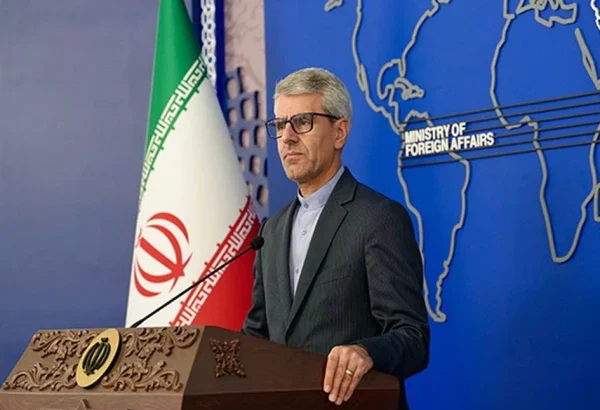
- ISLAMABAD/TEHRAN: Pakistan’s Field Marshal Asim Munir proposed a four-nation meeting in Tehran aimed at addressing escalating regional tensions, and Iran has accepted the initiative, Iranian Foreign Ministry spokesman Esmaeil Baghaei said on Monday.
- According to Baghaei, Iran is hosting high-level delegations from Pakistan, Saudi Arabia and Türkiye in Tehran on October 26.
- The Tehran meeting could provide an important opportunity for Pakistan, Saudi Arabia, Türkiye and Iran to discuss shared security concerns at a time when regional tensions threaten wider instability.
ISLAMABAD/TEHRAN: Pakistan’s Field Marshal Asim Munir proposed a four-nation meeting in Tehran aimed at addressing escalating regional tensions, and Iran has accepted the initiative, Iranian Foreign Ministry spokesman Esmaeil Baghaei said on Monday.
According to Baghaei, Iran is hosting high-level delegations from Pakistan, Saudi Arabia and Türkiye in Tehran on October 26. The meeting is expected to focus on regional security, ongoing conflicts and efforts to prevent further escalation.
The talks are particularly significant as they mark the first high-level discussions between Iran and countries participating in the Makkah Joint Defence Agreement, according to the report.
Baghaei said the agenda includes Israel’s expansionist policies and the ongoing wars involving Iran and Lebanon. The discussions are expected to explore regional developments and possible diplomatic approaches to reducing tensions.
The meeting comes amid heightened uncertainty across the Middle East, with diplomatic efforts continuing alongside military confrontation. Pakistan has sought to maintain communication channels with key regional players and promote dialogue to prevent the conflict from spreading further.
Addressing relations between Tehran and Washington, Baghaei said messages were still being exchanged through intermediaries, with Pakistan playing an important role in facilitating contacts between the two sides.
However, he criticised what he described as Washington’s one-sided demands, saying Iran would not accept what it considers complete surrender to the United States.
The Iranian spokesman stressed that Tehran remained prepared to respond to any potential scenario but had not closed the door to diplomacy.
His remarks underscored the delicate balance Iran is attempting to maintain between defending its position and keeping negotiations possible.
Baghaei also dismissed questions about the potential impact of elections in Israel, saying their outcome would not significantly affect Iran’s position.
The Tehran meeting could provide an important opportunity for Pakistan, Saudi Arabia, Türkiye and Iran to discuss shared security concerns at a time when regional tensions threaten wider instability. Whether the discussions lead to concrete diplomatic progress will depend on the positions adopted by the participating countries and their willingness to pursue common ground.
We welcome your contributions! Submit your blogs, opinion pieces, press releases, news story pitches, and news features to opinion@minutemirror.com.pk and minutemirrormail@gmail.com