Summary
- Iranian Foreign Minister Abbas Araghchi said the proposal had been conveyed to Washington through Qatari mediators.
- However, a report by The Wall Street Journal said US President Donald Trump had rejected the proposal.
- Iranian President Masoud Pezeshkian also said his country was prepared to discuss its nuclear programme and other issues but would not accept pressure or coercion.
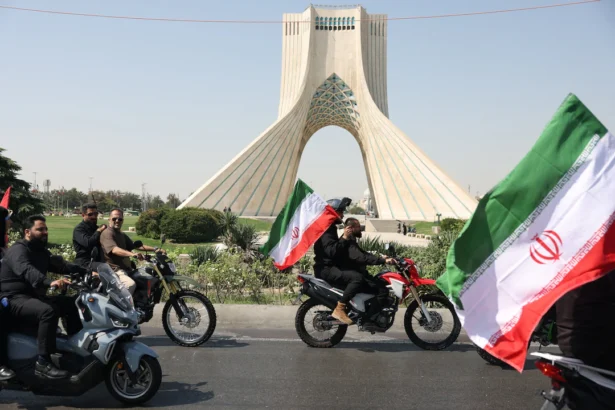
CAIRO/UNITED NATIONS: Iran is awaiting a response from the United States to a proposal aimed at ending the ongoing regional conflict and reopening the strategically important Strait of Hormuz within seven days.
Iranian Foreign Minister Abbas Araghchi said the proposal had been conveyed to Washington through Qatari mediators. Under the plan, a halt to hostilities would begin once the United States accepts the framework, followed by the reopening of the key shipping route.
However, a report by The Wall Street Journal said US President Donald Trump had rejected the proposal. The report, citing US officials, said Trump remained doubtful that Tehran would meet his demands and believed further military action could resume.
A US official had earlier described indirect discussions with Iran as positive and constructive.
Araghchi said Iran was prepared to enter broader negotiations if Washington showed seriousness about reaching an agreement. Potential talks could include Iran’s nuclear programme, although Tehran has indicated that it would not compromise on what it considers its sovereign rights.
Iranian President Masoud Pezeshkian also said his country was prepared to discuss its nuclear programme and other issues but would not accept pressure or coercion. He maintained that Tehran does not seek war but would defend itself against attacks and threats.
According to Araghchi, the Iranian proposal includes an end to fighting on all fronts, including Lebanon. In return, Tehran is seeking the lifting of the US blockade on its ports, the release of frozen Iranian funds and the removal of sanctions on its oil exports.
The diplomatic efforts come after months of conflict that have disrupted energy supplies and shipping across the region. Previous attempts to establish a lasting agreement have failed, with periods of reduced fighting followed by renewed strikes.
Iran has also discussed safe shipping arrangements in the Strait of Hormuz with Oman and briefed Saudi Arabia about the understanding.
Meanwhile, tensions have continued to spread across the region. Saudi-led forces said they intercepted ballistic missiles and drones launched by Houthi forces towards Saudi targets, including Khamis Mushait and Riyadh.
The continuing attacks have raised concerns over Saudi energy infrastructure, regional shipping and global oil supplies, particularly while traffic through the Strait of Hormuz remains severely disrupted.
The security situation has also prompted closer defence coordination between Saudi Arabia, Pakistan and Türkiye. Military officials from the three countries met in Riyadh to discuss intelligence sharing, military coordination and greater integration of defence capabilities under their joint defence agreement.
We welcome your contributions! Submit your blogs, opinion pieces, press releases, news story pitches, and news features to opinion@minutemirror.com.pk and minutemirrormail@gmail.com