Summary
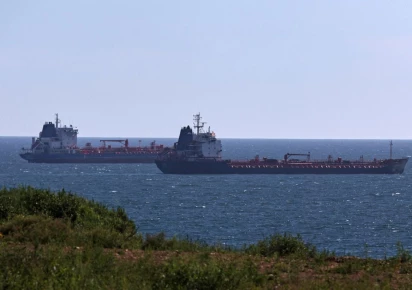
- GENEVA: Iranian oil exports have resumed after several tankers carrying crude oil departed the Strait of Hormuz, signaling a possible easing of tensions ahead of crucial peace negotiations between Iran and the United States scheduled to begin this week in Switzerland.
- The development comes as Washington and Tehran prepare to launch talks aimed at reaching a comprehensive agreement on regional security, Iran’s nuclear program, and the future of international sanctions.
- Officials from both countries have confirmed that negotiations will address contentious issues such as uranium enrichment, sanctions removal, and international monitoring of Iran’s nuclear activities.
GENEVA: Iranian oil exports have resumed after several tankers carrying crude oil departed the Strait of Hormuz, signaling a possible easing of tensions ahead of crucial peace negotiations between Iran and the United States scheduled to begin this week in Switzerland.
According to shipping monitors, multiple Iranian supertankers loaded with millions of barrels of crude oil have left the area following months of disruption. The development comes as Washington and Tehran prepare to launch talks aimed at reaching a comprehensive agreement on regional security, Iran’s nuclear program, and the future of international sanctions.
The negotiations are expected to begin at the Burgenstock resort in Switzerland and continue over a 60-day period. Under the preliminary framework, Iran would be allowed to resume oil sales immediately, while discussions would focus on broader issues including sanctions relief and nuclear oversight.
News of the planned talks and the reopening of shipping routes through the Strait of Hormuz boosted market confidence and pushed global oil prices lower. Investors welcomed signs that the conflict sparked earlier this year could move toward a diplomatic resolution.
Despite the optimism, regional tensions remain high. Israeli military operations in southern Lebanon and warnings from Iranian military officials have highlighted the fragile security situation. Recent strikes in Lebanon reportedly resulted in casualties, raising concerns that renewed violence could undermine diplomatic efforts.
Officials from both countries have confirmed that negotiations will address contentious issues such as uranium enrichment, sanctions removal, and international monitoring of Iran’s nuclear activities. While some political figures in the United States have called for greater scrutiny of the proposed agreement, Iranian leaders have also expressed caution, citing past experiences with failed commitments and abandoned deals.
The emerging framework has created momentum for diplomacy, but analysts warn that ongoing hostilities involving Israel and Hezbollah could still threaten progress. As talks begin, both sides face the challenge of turning a temporary understanding into a lasting agreement capable of reducing tensions across the Middle East.
We welcome your contributions! Submit your blogs, opinion pieces, press releases, news story pitches, and news features to [email protected] and [email protected]