Summary
- However, the agreement later collapsed amid disagreements between Iran and the United States over the Strait of Hormuz, a crucial global shipping route that previously carried around 20% of the world’s oil supplies.
- Following his meetings in Tehran, Al Thani said he had highlighted to Iranian officials the importance of ensuring freedom of navigation through the strait in accordance with international law.
- Mohsen Rezaei, secretary of Iran’s Supreme National Security Council, said Thursday that Tehran was working on a list of conditions for reopening the strait.
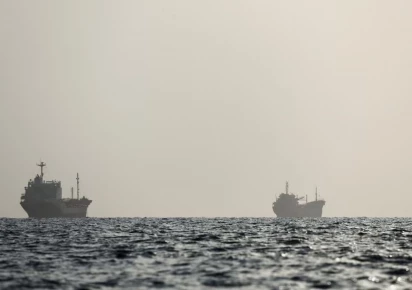
Mediators are intensifying diplomatic efforts to reopen the Strait of Hormuz, as Iran has agreed to prepare a list of conditions that could pave the way for the restoration of normal maritime traffic through the strategically important waterway.
Qatar has taken the lead in the latest diplomatic push, with its Prime Minister and Foreign Minister Sheikh Mohammed bin Abdulrahman Al Thani travelling to Tehran on Thursday to meet senior Iranian officials. During his visit, he stressed the need to restore freedom of navigation and return shipping through the strait to conditions that existed before the war.
Qatar and Pakistan had previously helped broker a memorandum of understanding in June that resulted in a ceasefire. However, the agreement later collapsed amid disagreements between Iran and the United States over the Strait of Hormuz, a crucial global shipping route that previously carried around 20% of the world’s oil supplies.
Following his meetings in Tehran, Al Thani said he had highlighted to Iranian officials the importance of ensuring freedom of navigation through the strait in accordance with international law.
Iranian Foreign Minister Abbas Araghchi described the discussions with the Qatari prime minister as “creative” and again called on Washington to end its military and economic pressure on Tehran. He also urged the United States to return to negotiations, arguing that diplomatic efforts could still succeed if Washington recognised that pressure would not resolve the dispute.
Iran’s Foreign Ministry separately condemned new US economic sanctions announced earlier in the week, describing them as “state terrorism”. Tehran also called on other countries to avoid joining the sanctions, warning that doing so would amount to supporting what Iran considers an unlawful US policy.
Iran has been using the Strait of Hormuz as leverage since the war began six months ago. Tehran threatened to target vessels passing through the waterway without its authorisation, leading to a sharp decline in shipping activity and contributing to higher oil prices.
Mohsen Rezaei, secretary of Iran’s Supreme National Security Council, said Thursday that Tehran was working on a list of conditions for reopening the strait. He said Iran had reached an understanding with Oman regarding a shipping corridor that would pass through both Omani and Iranian waters. Under the proposed arrangement, ships could use a designated central route if Washington agreed to Iran’s conditions.
Iran’s previous demands have included an end to the US blockade of Iranian ports, compensation and the lifting of sanctions. It remains uncertain whether Tehran will revise those demands enough to make them acceptable to Washington.
Meanwhile, US military officials say American forces have cleared sea mines from the waterway that were allegedly placed months earlier by Iran’s Islamic Revolutionary Guard Corps. Admiral Brad Cooper, commander of US Central Command, said international shipping lanes were now open and that movement through the strait was increasing.
Despite those assurances, many commercial vessels remain reluctant to use the route because of Iranian threats. Shipping data indicated that only seven commodity vessels crossed the strait on Thursday, compared with 17 the previous day and a 10-day average of 15.
Gulf energy producers are also attempting to reduce their dependence on the waterway by investing heavily in alternative pipelines, ports and transportation infrastructure. Some oil shipments are being redirected toward Saudi Arabia’s Red Sea ports and ports on the eastern coast of the United Arab Emirates, although their capacity remains limited.
Oil prices were largely stable on Friday but remained on track for a weekly decline as signs emerged that more crude was moving through the strait and Gulf producers were gradually adapting to the changing regional situation.
We welcome your contributions! Submit your blogs, opinion pieces, press releases, news story pitches, and news features to opinion@minutemirror.com.pk and minutemirrormail@gmail.com