Summary
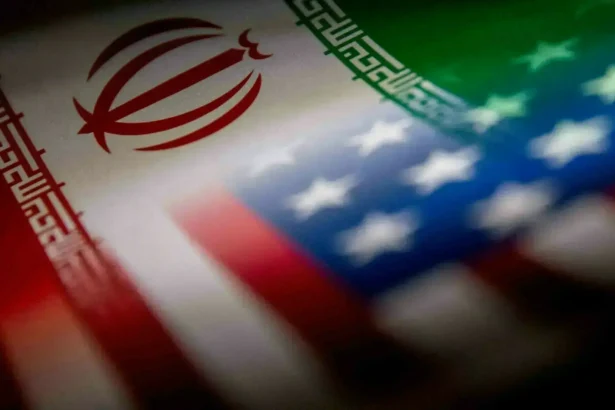
- Tehran: Iran on Friday strongly rejected a joint statement issued after talks between the United States and Gulf Cooperation Council foreign ministers, describing the remarks against Tehran as provocative, irresponsible and interference in regional affairs.
- On the issue of the Strait of Hormuz, Iran said recent disruptions to maritime security were linked to military confrontations and foreign intervention in the region.
- Despite recent diplomatic progress, major differences remain between Tehran and Western countries over regional security arrangements, maritime access and Iran’s military and nuclear policies.
Tehran: Iran on Friday strongly rejected a joint statement issued after talks between the United States and Gulf Cooperation Council foreign ministers, describing the remarks against Tehran as provocative, irresponsible and interference in regional affairs.
The Iranian Foreign Ministry said the statement did not contribute to peace and stability in the region. It accused Washington of continuing policies that increase tensions in the Middle East.
Iran dismissed American assurances regarding the security of Gulf countries. Tehran argued that the presence of foreign military forces in the region has become a source of instability rather than security.
Iranian officials also criticized the alleged use of military facilities in regional countries during recent military operations targeting Iran. Tehran said neighbouring states have responsibilities under international law to prevent their territories from being used for hostile actions against other countries.
The ministry urged regional governments to reconsider their security policies and adopt an approach based on cooperation and mutual respect.
Iran also rejected allegations regarding its nuclear programme. Officials insisted that Tehran’s nuclear activities remain peaceful and are intended for civilian purposes only.
The statement accused the United States and Israel of spreading false claims regarding Iran’s nuclear ambitions. Tehran once again called for the establishment of a nuclear weapons-free zone across West Asia.
Iran also defended its missile and drone programmes. Officials described these capabilities as essential elements of national defence and deterrence.
Tehran declared that it would not compromise on protecting its sovereignty, territorial integrity and security interests.
The Iranian government also objected to references describing Palestinian and Lebanese resistance groups as Iranian proxies. It rejected the characterization and argued that regional developments should be viewed independently.
On the issue of the Strait of Hormuz, Iran said recent disruptions to maritime security were linked to military confrontations and foreign intervention in the region.
Tehran maintained that the strategic waterway falls within the jurisdiction of regional countries and that its security should be managed through cooperation between neighbouring states.
Iran further stressed that long-term peace and stability in the Gulf can only be achieved through regional dialogue without outside interference.
The reaction came after the United States and GCC countries issued a joint statement emphasizing freedom of navigation in the Strait of Hormuz and supporting unrestricted maritime transit under international law.
The statement also highlighted the importance of maintaining unity as negotiations between Washington and Tehran continue in search of a more permanent understanding following recent tensions.
The GCC and the United States also reiterated their opposition to the development of nuclear weapons in the region and linked future economic engagement with Iran to its compliance with international commitments.
Despite recent diplomatic progress, major differences remain between Tehran and Western countries over regional security arrangements, maritime access and Iran’s military and nuclear policies.
Analysts believe that continued dialogue will be essential to prevent further escalation and preserve stability in the Gulf region.
We welcome your contributions! Submit your blogs, opinion pieces, press releases, news story pitches, and news features to opinion@minutemirror.com.pk and minutemirrormail@gmail.com