Summary
- TEHRAN: Iran has rejected the prospect of negotiations with the United States unless Washington agrees to Tehran’s stated conditions, signalling that diplomatic efforts to ease tensions between the two countries face another major hurdle.
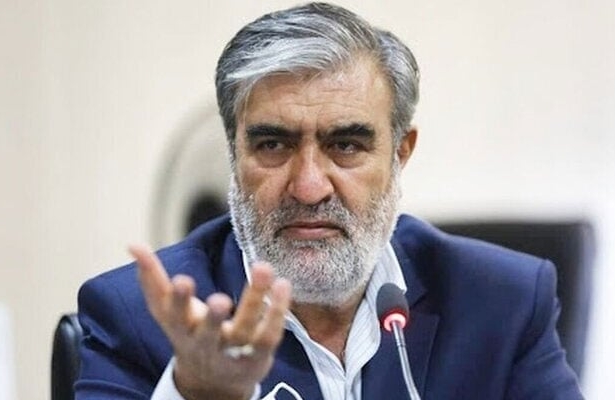
- Ebrahim Azizi, chairman of Iran’s parliamentary National Security and Foreign Policy Commission, said talks with Washington would serve little purpose unless all Iranian conditions are accepted.
- Unless Washington accepts Iran’s conditions, he says, there will be no talks.
TEHRAN: Iran has rejected the prospect of negotiations with the United States unless Washington agrees to Tehran’s stated conditions, signalling that diplomatic efforts to ease tensions between the two countries face another major hurdle.
Ebrahim Azizi, chairman of Iran’s parliamentary National Security and Foreign Policy Commission, said talks with Washington would serve little purpose unless all Iranian conditions are accepted.
Azizi made the remarks in a series of posts on social media platform X, taking a firm position against negotiations that do not meet Tehran’s demands.
In one post, the Iranian lawmaker said there would be no benefit in holding discussions or negotiations until Iran’s conditions were fully accepted.
In another message, he was even more direct, saying Iran would not negotiate with the United States unless all of its conditions were fulfilled.
His comments come amid heightened tensions between Tehran and Washington, with the Strait of Hormuz remaining at the centre of the confrontation. The strategically important waterway is one of the world’s most important energy routes, and any prolonged disruption could have significant consequences for global oil supplies and prices.
Iranian officials have repeatedly linked the future of the strait to the broader confrontation with the United States.
Iranian President Masoud Pezeshkian has previously said the waterway could be reopened if what Tehran describes as the US blockade and aggression are brought to an end. The position has added another layer of urgency to international diplomatic efforts aimed at preventing the regional crisis from escalating further.
Azizi’s latest comments suggest that Tehran currently sees little value in entering negotiations without guarantees that its demands will be addressed first.
The remarks also highlight the difficult conditions facing any potential US-Iran diplomatic initiative. While negotiations could offer a route toward reducing military tensions and addressing the economic consequences of the crisis, both sides appear to have sharply different expectations over what must happen before talks can begin.
For Washington, securing freedom of navigation through the Strait of Hormuz and preventing further regional escalation are likely to remain major priorities. Tehran, meanwhile, has continued to demand an end to what it considers hostile US actions before accepting negotiations.
The disagreement could make diplomatic progress particularly difficult.
Any reopening of talks would likely require substantial movement from both sides, especially on security guarantees, military actions and the status of the Strait of Hormuz.
For now, Azizi’s statements send a clear message from Iran’s parliamentary security leadership: Tehran is not prepared to negotiate simply for the sake of negotiations.
Unless Washington accepts Iran’s conditions, he says, there will be no talks.
With tensions still high and the Strait of Hormuz under intense international scrutiny, the latest statement leaves the door to diplomacy open only on terms Iran says must be accepted first.
We welcome your contributions! Submit your blogs, opinion pieces, press releases, news story pitches, and news features to opinion@minutemirror.com.pk and minutemirrormail@gmail.com