Summary
- Pakistan and Saudi Arabia have welcomed the positive momentum in ongoing diplomatic efforts between the United States and Iran aimed at reducing tensions in the Middle East.
- According to diplomatic sources, the discussions produced encouraging results and both sides agreed to continue engagement after the completion of funeral ceremonies for Iran’s former supreme leader.
- Technical negotiations have also included discussions on Iran’s nuclear activities and maritime security in the Gulf region.
Pakistan and Saudi Arabia have welcomed the positive momentum in ongoing diplomatic efforts between the United States and Iran aimed at reducing tensions in the Middle East.
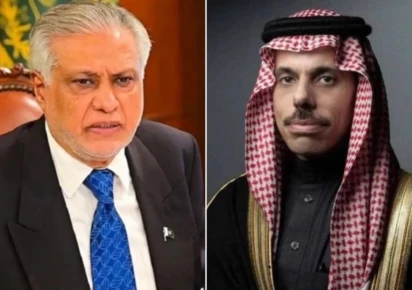
Deputy Prime Minister and Foreign Minister Ishaq Dar held a telephone conversation with Saudi Foreign Minister Prince Faisal bin Farhan Al Saud on Thursday. The two leaders discussed recent developments in the region and reviewed the latest diplomatic contacts taking place in Doha.
Both foreign ministers expressed satisfaction over the progress made during the recent round of talks involving the United States and Iran in Qatar. They hoped the negotiations would continue in the near future and eventually lead to lasting peace and stability in the region.
The Saudi foreign minister appreciated Pakistan’s diplomatic role and its efforts to facilitate dialogue between the concerned parties. He praised Islamabad’s commitment to supporting peaceful negotiations and encouraging regional stability through diplomacy.
Earlier, officials from Pakistan and Qatar held separate meetings with American and Iranian negotiators in Doha. According to diplomatic sources, the discussions produced encouraging results and both sides agreed to continue engagement after the completion of funeral ceremonies for Iran’s former supreme leader.
The talks are part of broader international efforts to prevent further conflict in the Middle East and create conditions for a long-term political settlement between Washington and Tehran.
Recent discussions have focused on security arrangements in the Strait of Hormuz, one of the world’s most important energy routes. The waterway carries a major share of global oil and liquefied natural gas shipments, making stability in the region critical for international energy markets.
Technical negotiations have also included discussions on Iran’s nuclear activities and maritime security in the Gulf region. Both sides are seeking confidence-building measures that could help reduce tensions and prevent future military escalation.
The current diplomatic process follows an interim agreement reached last month that aimed to stop hostilities and create a framework for wider peace negotiations. The understanding also opened the door for further talks on regional security and nuclear-related issues.
Despite signs of progress, important disagreements remain between the two sides. Differences over Iran’s nuclear programme and the future status of regional waterways continue to pose challenges for negotiators.
American officials have nevertheless described the recent discussions as constructive and encouraging. They have reiterated their preference for diplomacy over military confrontation.
Iran, meanwhile, continues to push for international recognition of its interests in the Strait of Hormuz and insists that its security concerns must be addressed in any future agreement.
We welcome your contributions! Submit your blogs, opinion pieces, press releases, news story pitches, and news features to opinion@minutemirror.com.pk and minutemirrormail@gmail.com