Summary
- As an initial confidence-building measure, Iran will reopen the Strait of Hormuz for commercial navigation, while the United States will begin lifting its naval restrictions and blockade measures against Iran.
- Iran will not expand its nuclear activities beyond existing levels, while the United States will refrain from imposing new sanctions or increasing its military presence in the region.
- If negotiations conclude successfully, the final accord is expected to be endorsed through a binding resolution of the United Nations Security Council, potentially opening a new chapter in relations between Iran and the United States and contributing to greater stability in the Middle East.
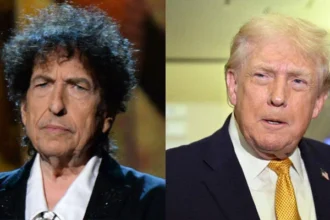
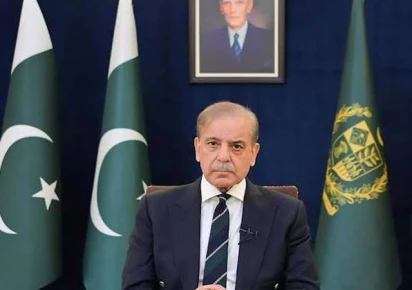
ISLAMABAD: Prime Minister Shehbaz Sharif announced a major diplomatic breakthrough on Thursday, revealing that the “Islamabad Memorandum of Understanding (MoU)” has been electronically signed by US President Donald Trump and Iranian President Masoud Pezeshkian. Pakistan played a key mediating role in the process, with Prime Minister Shehbaz endorsing the agreement as a facilitator.
According to the prime minister, the memorandum takes immediate effect and marks the beginning of a new phase aimed at reducing tensions between Washington and Tehran. As an initial confidence-building measure, Iran will reopen the Strait of Hormuz for commercial navigation, while the United States will begin lifting its naval restrictions and blockade measures against Iran.
Prime Minister Shehbaz congratulated both leaderships and their negotiating teams for choosing diplomacy over confrontation. He also acknowledged the contributions of Qatar, Saudi Arabia, Türkiye, and Egypt, whose diplomatic efforts helped create an environment conducive to dialogue.
Meanwhile, Iranian Foreign Ministry spokesperson Esmail Baghaei confirmed that the Islamabad MoU became officially effective after being signed by both presidents. He stated that negotiations under the framework of the agreement would focus exclusively on Iran’s nuclear programme and sanctions relief, with talks expected to conclude within 60 days, subject to extension if necessary.
Iran reiterated that its missile programme remains non-negotiable and will not be included in discussions. Tehran maintains that its defence capabilities are a sovereign matter and outside the scope of any future agreement.
The draft framework released by Iranian authorities outlines an immediate and permanent cessation of military hostilities between the parties involved in the conflict. Both Iran and the United States have pledged to respect each other’s sovereignty, refrain from interference in internal affairs, and avoid the threat or use of force in the future.
Under the proposed roadmap, the United States would gradually lift sanctions, release frozen Iranian assets, and facilitate Iranian oil exports through the issuance of necessary financial and trade waivers. In return, Iran would ensure the safe and uninterrupted passage of commercial shipping through the Strait of Hormuz and surrounding waterways.
The memorandum also envisages a large-scale economic package worth at least $300 billion to support Iran’s reconstruction and long-term development. Details of the programme are expected to be finalized during negotiations on a comprehensive agreement.
On the nuclear front, Iran reaffirmed that it does not seek to develop or acquire nuclear weapons. Both sides agreed to discuss the future of Iran’s enriched uranium stockpile and other nuclear-related issues within a framework that could be monitored by the International Atomic Energy Agency (IAEA).
Until a final agreement is reached, both countries have agreed to maintain the current status quo. Iran will not expand its nuclear activities beyond existing levels, while the United States will refrain from imposing new sanctions or increasing its military presence in the region.
If negotiations conclude successfully, the final accord is expected to be endorsed through a binding resolution of the United Nations Security Council, potentially opening a new chapter in relations between Iran and the United States and contributing to greater stability in the Middle East.
We welcome your contributions! Submit your blogs, opinion pieces, press releases, news story pitches, and news features to [email protected] and [email protected]