Summary
- Fresh evidence has emerged highlighting links between the militant group Jamaat-ul-Ahrar and terrorist networks operating from across the border, following revelations made by an injured terrorist involved in the attack on a Pakistan Rangers (Sindh) camp in Karachi.
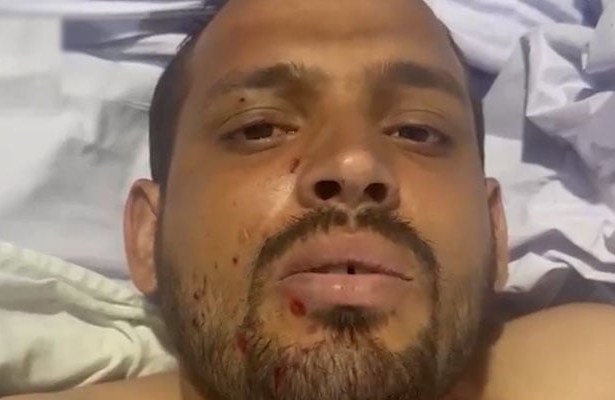
- The injured suspect, identified as Usman Ali, disclosed during interrogation that he had entered Pakistan from Jalalabad, Afghanistan, along with three other militants.
- During questioning, the injured militant claimed that the group had initially been unable to distinguish between the Pakistan Army and Rangers personnel and had been indoctrinated to view Pakistani security forces as enemies.
Fresh evidence has emerged highlighting links between the militant group Jamaat-ul-Ahrar and terrorist networks operating from across the border, following revelations made by an injured terrorist involved in the attack on a Pakistan Rangers (Sindh) camp in Karachi.
The injured suspect, identified as Usman Ali, disclosed during interrogation that he had entered Pakistan from Jalalabad, Afghanistan, along with three other militants. He named his accomplices as Abdul Hadi, Janan and Umar Farooq, adding that Abdul Hadi was killed during the operation.
According to the suspect, Janan was responsible for throwing an explosive device at the Rangers camp during the attack. He further stated that the group had entered Pakistan seven days before the incident and stayed at the residence of Abdul Hadi, a resident of Bajaur district.
Usman Ali revealed that the militants were sheltered in an under-construction building in Karachi before carrying out the attack. He claimed that the weapons used in the assault had been brought from Waziristan by Abdul Hadi.
The suspect said he was shot while attempting to flee the scene and was subsequently arrested by security personnel.
During questioning, the injured militant claimed that the group had initially been unable to distinguish between the Pakistan Army and Rangers personnel and had been indoctrinated to view Pakistani security forces as enemies.
He admitted to being a member of Jamaat-ul-Ahrar and stated that the group’s commander, whom he identified as “Ahrar Maulvi Sahib”, was based in Afghanistan.
The suspect also claimed that members of the group had received extensive militant training in Afghanistan, including instruction on preparing suicide vests and conducting tactical combat operations.
According to his statement, training related to suicide jackets and combat tactics was allegedly provided by an instructor identified as Qari Umar.
Usman Ali further revealed that logistical arrangements for operations inside Pakistan were made before militants crossed the border and entered the country. He claimed that Abdul Hadi had previously operated in the area and was familiar with the local environment.
Meanwhile, defence and security analysts say the confessions reinforce long-standing concerns that militant groups continue to use Afghan territory for planning and coordinating attacks inside Pakistan.
Strategic experts noted that Pakistan has repeatedly shared evidence with Afghan authorities regarding cross-border terrorism and militant safe havens, while urging stronger action to prevent such groups from using Afghan soil for attacks against Pakistan.
We welcome your contributions! Submit your blogs, opinion pieces, press releases, news story pitches, and news features to opinion@minutemirror.com.pk and minutemirrormail@gmail.com