Summary
- Karachi experienced one of the most severe heat waves of the summer on Thursday, as soaring temperatures and high humidity levels created extremely uncomfortable and potentially dangerous conditions across the city.
- This combination of heat and humidity made conditions particularly challenging, leaving many people exhausted and vulnerable to heat-related illnesses.
- As the heat wave continues to affect Sindh, authorities and health professionals stress the importance of public awareness and precautionary measures to prevent serious health emergencies and safeguard vulnerable populations.
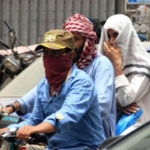
Karachi experienced one of the most severe heat waves of the summer on Thursday, as soaring temperatures and high humidity levels created extremely uncomfortable and potentially dangerous conditions across the city. By midday, many streets appeared unusually quiet as residents sought shelter from the oppressive weather. Delivery riders gathered under flyovers for shade, labourers temporarily halted their work, and commuters struggled to cope with the intense heat while moving around the city.
According to meteorological reports, the temperature in Karachi reached 40 degrees Celsius. However, due to humidity levels hovering around 50 percent, the heat index—or “feels-like” temperature—rose dramatically to 51 degrees Celsius. This combination of heat and humidity made conditions particularly challenging, leaving many people exhausted and vulnerable to heat-related illnesses.
Health experts have reported a noticeable increase in medical complaints linked to the ongoing heat wave. Hospitals and healthcare facilities across the city have seen a rise of approximately 10 to 15 percent in cases involving dehydration, heat exhaustion, stomach disorders, skin infections, joint pain, and weakened immunity. Medical professionals warn that continued exposure to extreme temperatures can lead to serious health complications, especially among individuals who spend long hours outdoors.
The Pakistan Meteorological Department (PMD) attributed the unusual weather conditions to a high-pressure system that formed over the region on June 8. This system intensified temperatures throughout Sindh and disrupted normal weather patterns. In Karachi, weaker-than-usual sea breezes failed to provide relief, while increasing humidity levels further worsened the situation, creating suffocating conditions across the metropolis.
The heat wave’s effects were even more severe in interior Sindh. Shaheed Benazirabad recorded an astonishing temperature of 51 degrees Celsius, matching a historic high previously observed on June 8, 2011. Meteorologists described this as a rare recurrence of an extreme weather event, highlighting the growing frequency and intensity of heat-related climate challenges in the region.
Medical authorities have urged citizens to take precautionary measures to protect themselves from the dangers of extreme heat. Dr. Irfan Siddiqi, Emergency In-charge at Jinnah Postgraduate Medical Centre (JPMC), stated that the number of heat stroke cases has been steadily increasing in Karachi and other affected areas. He emphasized that people who work outdoors face the greatest risk during such weather conditions.
Among the most vulnerable groups are delivery riders, construction workers, traffic police officers, daily-wage labourers, and others whose jobs require prolonged exposure to direct sunlight. These individuals often have limited access to cooling facilities and may be unable to avoid working during peak heat hours.
To minimize health risks, experts recommend avoiding unnecessary outdoor activities between 10 a.m. and 4 p.m., when solar radiation is at its strongest. Citizens are also advised to stay hydrated by drinking plenty of water, wear light and breathable clothing, seek shaded or air-conditioned environments whenever possible, and remain alert to symptoms of heat-related illnesses.
As the heat wave continues to affect Sindh, authorities and health professionals stress the importance of public awareness and precautionary measures to prevent serious health emergencies and safeguard vulnerable populations.
We welcome your contributions! Submit your blogs, opinion pieces, press releases, news story pitches, and news features to [email protected] and [email protected]