Summary
- The Sindh government has confirmed that the number of HIV cases linked to Karachi’s Kulsum Bai Valika (KBV) Hospital has risen to 120.
- He said the government launched an extensive screening campaign after the outbreak was detected last year.
- Rejecting criticism of the provincial government’s response, Ghani said health authorities acted immediately after the first HIV cases were reported in October last year.
The Sindh government has confirmed that the number of HIV cases linked to Karachi’s Kulsum Bai Valika (KBV) Hospital has risen to 120. Officials say investigations are continuing, while strict legal action will be taken against anyone found responsible for negligence.
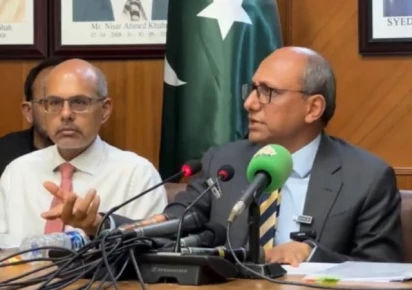
Sindh Labour Minister Saeed Ghani announced the latest figures during a press conference. He said the government launched an extensive screening campaign after the outbreak was detected last year. More than 10,500 people living around the hospital and those connected to the facility have been tested for HIV.
According to the minister, 120 people have tested positive so far. Of them, 81 patients are registered with the Sindh Employees’ Social Security Institution (SESSI), while 39 others are not beneficiaries of the institution. Despite this, the provincial government is providing free medical treatment to all affected individuals.
Ghani said children infected during the outbreak are receiving specialized treatment at five major hospitals across Pakistan. Medical experts are monitoring their health, and authorities have assured families that every patient will continue to receive proper care.
The government has also expanded HIV screening to other healthcare facilities. Nearly 2,000 people were tested at SESSI’s Landhi Hospital, where 10 additional HIV-positive cases were identified. Officials said testing will continue because early diagnosis is the most effective way to stop the spread of the virus.
The minister clarified that investigations show all confirmed infections were linked to exposure that occurred before October 2025. He said no new outbreak-related infections have been reported after that period, suggesting that measures introduced by the government have helped contain the situation.
Rejecting criticism of the provincial government’s response, Ghani said health authorities acted immediately after the first HIV cases were reported in October last year. Screening teams were sent to the affected area within a day, while an inquiry committee was formed to investigate the incident.
Earlier investigations confirmed HIV infections among several children and recorded multiple deaths linked to the outbreak. As more testing was carried out, the number of confirmed cases continued to increase.
The minister revealed that show-cause notices have been issued to 37 doctors and hospital employees. He warned that anyone found guilty of negligence would face strict disciplinary action. Those responsible could lose their jobs and also face criminal charges and legal proceedings.
To support the affected families, the Sindh government has established a Rs2 billion endowment fund. The fund will cover treatment, medicines, and welfare support for infected children. Ghani said the amount could be increased if additional financial assistance becomes necessary.
He also assured families that the identities of HIV patients would remain confidential under provincial law. The government wants to protect patients from social stigma and discrimination while ensuring they receive uninterrupted medical care.
Responding to questions about the cause of the outbreak, Ghani said improper disposal of medical waste and poor infection control practices were major factors. He said healthcare facilities are required to follow strict waste management rules, but some individuals ignored safety procedures for personal gain.
We welcome your contributions! Submit your blogs, opinion pieces, press releases, news story pitches, and news features to opinion@minutemirror.com.pk and minutemirrormail@gmail.com