Summary
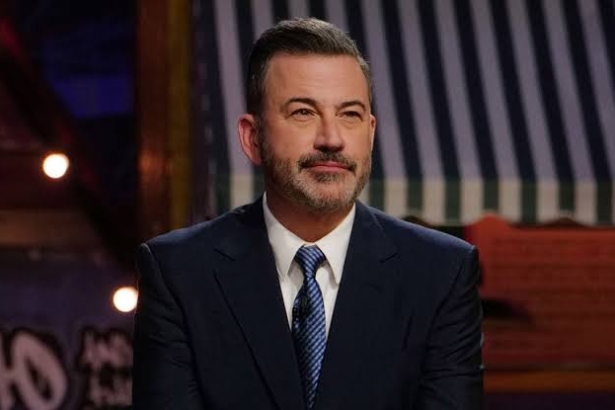
- ABC late night host Jimmy Kimmel said an interview he conducted with Democratic Senate candidate James Talarico will not air on the network’s broadcast Thursday and will instead be released on YouTube, citing continued pressure from the Federal Communications Commission over political guest appearances.
- The decision follows a January ruling by the Republican led FCC stating that daytime and late night television talk shows no longer qualify as legitimate news programming exempt from equal time requirements, which obligate broadcasters to offer comparable airtime to opposing political candidates.
- The FCC is separately investigating ABC’s daytime talk program The View, which regularly addresses political topics, after determining the show is also subject to equal time rules following an appearance by Talarico in January.
ABC late night host Jimmy Kimmel said an interview he conducted with Democratic Senate candidate James Talarico will not air on the network’s broadcast Thursday and will instead be released on YouTube, citing continued pressure from the Federal Communications Commission over political guest appearances.
The decision follows a January ruling by the Republican led FCC stating that daytime and late night television talk shows no longer qualify as legitimate news programming exempt from equal time requirements, which obligate broadcasters to offer comparable airtime to opposing political candidates. Kimmel noted that talk shows have historically operated free from those restrictions for decades, allowing hosts to interview political figures without triggering equal time obligations.
Talarico is running as the Democratic candidate in Texas against Republican Attorney General Ken Paxton in a closely watched Senate race that could help determine which party controls the chamber following November’s elections.
During Wednesday’s broadcast, Kimmel recalled that he had previously interviewed Donald Trump as a presidential candidate back in 2016. He said that now that Trump serves as president, the FCC under his administration has directed threats toward Kimmel personally, as well as toward his show, network and its affiliated local stations, based on what he characterized as routine editorial decisions involving guest bookings that officials apparently disapproved of.
ABC declined to comment on the situation, and the FCC did not immediately respond to requests for comment. FCC Chair Brendan Carr ordered early reviews in April covering all eight ABC stations owned directly by Disney, despite the fact that those stations were not scheduled for license renewal consideration until October 2028. According to available records, the FCC had not initiated an early license review of this kind in more than 50 years prior to that action. The reviews were ordered one day after Trump publicly called on ABC to fire Kimmel. Disney subsequently filed a lawsuit in August seeking to block the early reviews, arguing that the Trump administration was attempting to punish the network over editorial content it disliked.
The FCC is separately investigating ABC’s daytime talk program The View, which regularly addresses political topics, after determining the show is also subject to equal time rules following an appearance by Talarico in January. Disney has said that since February, the program has declined to invite any political candidates to appear, citing what the company described as ongoing pressure from the FCC.
A similar situation unfolded in February involving former CBS late night host Stephen Colbert, who said network lawyers prevented him from airing a planned interview with Talarico on his own program. That interview was instead posted to YouTube, where it has since been viewed more than 9.5 million times.
Trump has repeatedly pressured broadcasters to cancel comedy and news programs he views unfavorably, particularly those that have criticized him or members of his administration, and has called on the FCC to revoke broadcast licenses from stations following unfavorable coverage. Broadcast stations require FCC licenses to operate using public airwaves, and while actual license revocations remain extremely rare, critics argue that the mere threat of losing a license can exert significant pressure on broadcasters and raises broader concerns about government interference in independent editorial and programming decisions. Legal experts note that networks generally retain broad First Amendment protections over their programming choices, regardless of political pressure from federal regulators.
We welcome your contributions! Submit your blogs, opinion pieces, press releases, news story pitches, and news features to opinion@minutemirror.com.pk and minutemirrormail@gmail.com