Summary
- PESHAWAR: Khyber Pakhtunkhwa Chief Minister Sohail Afridi has claimed that the federal government is artificially controlling the value of the US dollar, warning that the exchange rate could rise to as high as Rs500 if market forces were allowed to operate freely.
- Addressing opposition lawmakers, Afridi urged parties represented in the federal government to focus on resolving provincial concerns rather than criticizing the KP administration.
- Afridi alleged that the federal government is keeping the dollar’s value artificially low and claimed that, without intervention, the currency could rise to Rs500 against the Pakistani rupee.
PESHAWAR: Khyber Pakhtunkhwa Chief Minister Sohail Afridi has claimed that the federal government is artificially controlling the value of the US dollar, warning that the exchange rate could rise to as high as Rs500 if market forces were allowed to operate freely.
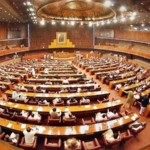
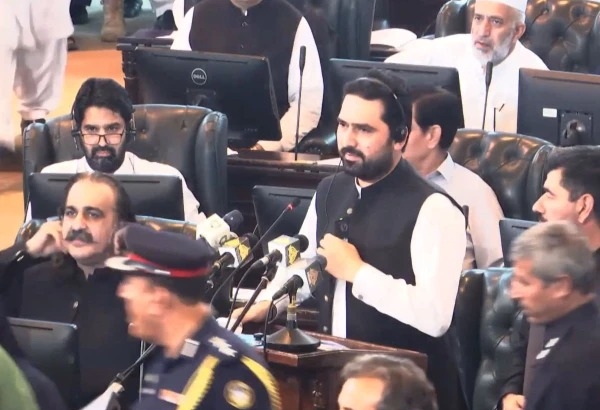
Speaking during the provincial assembly’s budget session, Afridi praised his government’s financial team for preparing what he described as a strong and people-friendly budget. He also used the occasion to criticize the federal government and address ongoing political tensions.
The chief minister said that while political opponents may or may not celebrate the provincial budget, his party would certainly celebrate the release of its leader. His remarks drew reactions from both treasury and opposition benches during the session.
Afridi accused the federal government and the Punjab administration of withholding Khyber Pakhtunkhwa’s rightful share under the National Finance Commission (NFC) award. According to him, the province continues to face financial challenges because of delays in receiving funds that it believes are legally due.
He further alleged that the province is being subjected to discriminatory treatment by the federal government. Addressing opposition lawmakers, Afridi urged parties represented in the federal government to focus on resolving provincial concerns rather than criticizing the KP administration.
Discussing the national economy, the chief minister argued that Pakistan’s economic growth remains below potential. He noted that the country’s GDP growth rate stands at around 3 percent, which he said should be at least 5 percent to ensure sustainable economic progress and job creation.
Afridi also questioned the federal government’s economic strategy, particularly regarding exports and trade. He pointed to Pakistan’s large trade deficit and claimed that current policies have failed to address the country’s structural economic challenges.
One of his most notable remarks concerned the exchange rate. Afridi alleged that the federal government is keeping the dollar’s value artificially low and claimed that, without intervention, the currency could rise to Rs500 against the Pakistani rupee. However, he did not provide economic data or evidence to support the figure.
The session also witnessed political drama when Afridi invited security guard Arif Khattak into the assembly chamber, praising him for his loyalty and service. Khattak raised slogans in support of PTI founder Imran Khan prompting strong protests from opposition members.
Opposition lawmakers objected to the presence of a non-member in the assembly and responded with slogans in support of former prime minister Nawaz Sharif, adding to the tense atmosphere of the budget session.
We welcome your contributions! Submit your blogs, opinion pieces, press releases, news story pitches, and news features to [email protected] and [email protected]