Summary
- The recent initiative announced by the Chief Traffic Officer of Lahore, Syed Abdul Rahim Shirazi, to provide special licensing facilities for rickshaw drivers is a welcome step toward improving road safety and regulating urban transport in the city.
- The inclusion of training sessions on road safety and traffic laws further strengthens this initiative, as it emphasizes not just licensing, but also education and behavioral change among drivers.
- The CTO’s statement that licensed and trained drivers are essential for a safe traffic system highlights an important reality: road safety is not only about infrastructure and enforcement but also about human responsibility.
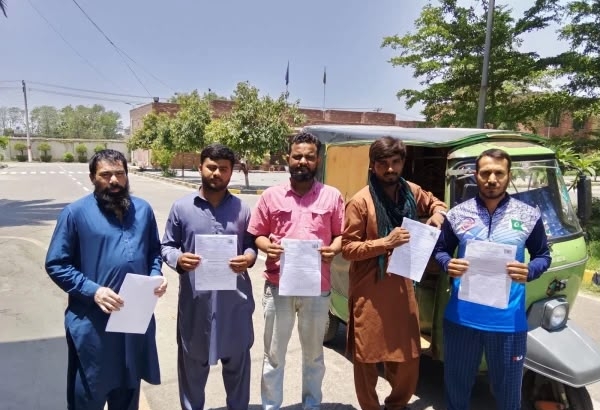
The recent initiative announced by the Chief Traffic Officer of Lahore, Syed Abdul Rahim Shirazi, to provide special licensing facilities for rickshaw drivers is a welcome step toward improving road safety and regulating urban transport in the city. Under the new arrangement, rickshaw drivers will be able to obtain driving licences every Sunday from 8 a.m. to 4 p.m. at the Manawan Licensing Centre, along with awareness sessions on traffic rules and responsible driving.
In a city like Lahore, where traffic congestion and informal transport systems are major challenges, such measures are both timely and necessary. Rickshaws play a crucial role in providing affordable mobility to thousands of citizens, especially in densely populated areas where public transport options remain limited. However, the lack of proper training and licensing has often contributed to traffic violations, accidents, and safety concerns.
By introducing dedicated licensing hours and structured facilitation, the traffic authorities are attempting to bridge a long-standing gap between regulation and accessibility. The inclusion of training sessions on road safety and traffic laws further strengthens this initiative, as it emphasizes not just licensing, but also education and behavioral change among drivers.
The CTO’s statement that licensed and trained drivers are essential for a safe traffic system highlights an important reality: road safety is not only about infrastructure and enforcement but also about human responsibility. Without proper training and awareness, even the best traffic systems can become inefficient and dangerous.
This initiative also reflects a broader need for reform in Pakistan’s urban transport governance. Informal or partially regulated transport sectors often operate under pressure, where drivers prioritize earnings over compliance with traffic laws. Structured licensing programs, such as this one, can help integrate these drivers into a more accountable system.
At the same time, the success of this initiative will depend on effective implementation. Accessibility, transparency, and consistency in the licensing process will be key factors. If properly managed, this step could reduce unlicensed driving, improve road discipline, and ultimately decrease accident rates in Lahore.
In conclusion, the decision to provide dedicated licensing facilitation for rickshaw drivers is a positive move toward safer and more organized urban transport. It reflects an understanding that sustainable road safety requires not only enforcement but also inclusion, training, and practical support for those who form the backbone of the city’s transport system.
We welcome your contributions! Submit your blogs, opinion pieces, press releases, news story pitches, and news features to [email protected] and [email protected]