Summary
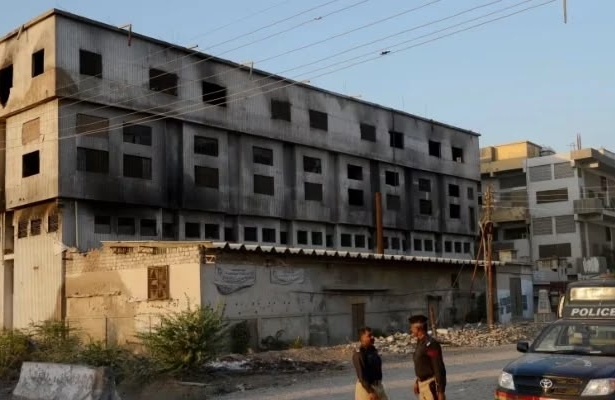
- More than a decade after the devastating Baldia Town factory fire in Karachi, the wounds of that tragedy remain painfully fresh for the families of the victims and for Pakistan’s labor community.
- The recent demand by labor unions and survivors for a fresh inquiry is not merely a procedural request .It is a renewed plea for justice in a case that has long symbolized systemic failure, weak labor protections, and contested accountability.
- A fair, transparent, and comprehensive review of the case would not only serve the victims but also signal a broader commitment to labor rights and accountability in Pakistan’s industrial landscape.
More than a decade after the devastating Baldia Town factory fire in Karachi, the wounds of that tragedy remain painfully fresh for the families of the victims and for Pakistan’s labor community. The recent demand by labor unions and survivors for a fresh inquiry is not merely a procedural request .It is a renewed plea for justice in a case that has long symbolized systemic failure, weak labor protections, and contested accountability.
The fire, which claimed hundreds of lives exposed the grim realities of industrial safety in Pakistan’s manufacturing sector. Workers were trapped in a building where safety standards were allegedly ignored, exits were insufficient, and emergency preparedness was virtually nonexistent. For many families, the tragedy did not end with the flames; it continued in the form of unanswered questions, delayed compensation, and prolonged legal battles.
Labor leaders now argue that recent observations by the Supreme Court have strengthened their longstanding belief that the case was misdirected and that key responsible parties were never fully held accountable. They claim that investigative and prosecutorial processes were influenced in ways that diverted attention away from the actual perpetrators. Whether or not these allegations are ultimately proven, they underline a deeper issue: the erosion of public trust in the fairness and completeness of high-profile investigations.
Equally troubling is the assertion by victims’ representatives that promised compensation has not been fully delivered. In a country where many industrial workers already live on the margins, the failure to ensure timely and transparent relief deepens both economic hardship and emotional trauma. Justice, in such circumstances, cannot be measured solely in court verdicts—it must also be reflected in tangible support for those left behind.
This renewed call for a fresh probe should not be dismissed as reopening old wounds. Instead, it should be seen as an opportunity to restore confidence in institutions and reinforce the principle that no tragedy of this scale should fade into ambiguity. If gaps remain in the original investigation, they deserve to be addressed transparently and conclusively.
The Baldia factory fire stands as a stark reminder that industrial growth without worker safety is both unsustainable and unjust. A fair, transparent, and comprehensive review of the case would not only serve the victims but also signal a broader commitment to labor rights and accountability in Pakistan’s industrial landscape.
We welcome your contributions! Submit your blogs, opinion pieces, press releases, news story pitches, and news features to [email protected] and [email protected]