Summary
- This high-level contact reflects the shared outlook of Pakistan and Turkey on regional peace, stability, and the importance of resolving disputes through dialogue rather than confrontation.
- Any positive movement in these negotiations has the potential to influence regional security, energy markets, and global economic stability.
- Stability in this region would also have positive implications for countries like Pakistan, which are closely linked to regional trade, energy routes, and security dynamics.
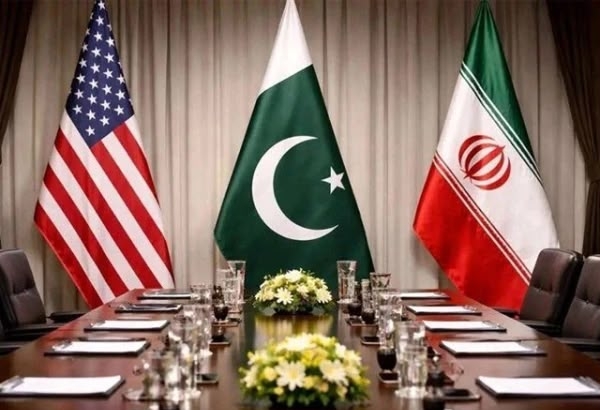
A recent telephone conversation between Pakistan’s Deputy Prime Minister and Foreign Minister Ishaq Dar and Turkey Foreign Minister Hakan Fidan comes at a critical moment when the Middle East is once again witnessing shifting political and diplomatic dynamics. During the exchange, both sides reviewed the evolving regional situation and welcomed the reported progress in ongoing US–Iran negotiations.
This high-level contact reflects the shared outlook of Pakistan and Turkey on regional peace, stability, and the importance of resolving disputes through dialogue rather than confrontation. Both countries have consistently advocated diplomacy as the most viable path to address complex conflicts in the Muslim world and beyond.
The significance of US–Iran talks extends far beyond the two countries involved. Any positive movement in these negotiations has the potential to influence regional security, energy markets, and global economic stability. In such a context, the supportive response from Islamabad and Ankara highlights their preference for de-escalation and constructive engagement in a region often marked by volatility.
However, optimism must be tempered with caution. The history of diplomacy in the Middle East is filled with cycles of progress and setbacks. Even when agreements appear within reach, political tensions, strategic mistrust, and external pressures can slow or derail the process. Therefore, sustained diplomatic engagement and continuous communication among regional and global stakeholders remain essential.
For Pakistan, this development aligns with its longstanding foreign policy stance of promoting peace and stability in the region. Its close and historically friendly ties with Turkey further strengthen this approach. Both countries have often coordinated positions on major international and regional issues, and this latest interaction reinforces the importance of such cooperation in today’s uncertain geopolitical environment.
If US–Iran negotiations continue to move in a constructive direction, the benefits could extend across the broader Middle East, reducing tensions and opening new avenues for economic cooperation and regional integration. Stability in this region would also have positive implications for countries like Pakistan, which are closely linked to regional trade, energy routes, and security dynamics.
Ultimately, the conversation between the two foreign ministers underscores a broader diplomatic truth: sustainable peace can only be achieved through dialogue, not confrontation. While challenges remain significant, continued engagement and coordinated diplomacy offer a pathway. However gradual—towards a more stable and cooperative regional order.
We welcome your contributions! Submit your blogs, opinion pieces, press releases, news story pitches, and news features to [email protected] and [email protected]