Summary
- The country shares the same wider Himalayan and Karakoram mountain system and faces similar risks from melting glaciers, glacial lakes and sudden floods.
- The catastrophic floods of 2022 also showed how quickly extreme weather can overwhelm communities and government systems.
- The Nepal disaster has shown how difficult it is to reach people trapped by floods and landslides.
August 30, 2026
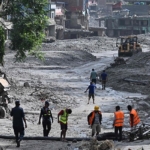
The devastating floods in Nepal and Tibet are a fresh reminder that the Himalayan region is becoming increasingly vulnerable to climate-related disasters. Hundreds of people have died and thousands remain missing after flash floods and mudslides swept through communities near the China-Nepal border. Homes, roads, bridges and hydropower projects have been destroyed, while rescue workers continue to search for survivors in extremely difficult conditions.
The tragedy is especially alarming because many of the missing are tourists, pilgrims and workers. Rescue operations have also become dangerous because unstable lakes, mud and debris continue to threaten further flooding. In some areas, people have been trapped inside tunnels and cut off from the outside world.
For Pakistan, this disaster should not be seen as a distant tragedy. The country shares the same wider Himalayan and Karakoram mountain system and faces similar risks from melting glaciers, glacial lakes and sudden floods. Pakistan has already experienced the terrible consequences of such disasters.
In recent years, glacial lake outburst floods and flash floods have damaged villages, roads and bridges in Gilgit-Baltistan and Khyber Pakhtunkhwa. The catastrophic floods of 2022 also showed how quickly extreme weather can overwhelm communities and government systems. Melting glaciers, unusually heavy rainfall and changing weather patterns are increasing the danger for millions of people living in mountain areas and downstream river valleys.
The lesson from Nepal is simple: disasters cannot always be prevented, but their human cost can be reduced through better preparation. Governments must invest in early-warning systems and ensure that warnings reach people in remote villages in time. Communities living near rivers and glaciers should be educated about evacuation routes and emergency procedures.
Pakistan also needs stronger monitoring of glaciers and glacial lakes. Scientists and disaster-management authorities should work together to identify dangerous areas before a lake bursts or a flood strikes. Roads, bridges, hydropower projects and other infrastructure in vulnerable regions must be designed to withstand extreme weather.
Another important lesson is the need for better rescue capacity. The Nepal disaster has shown how difficult it is to reach people trapped by floods and landslides. Pakistan must strengthen its specialised rescue teams, helicopters, communication systems and equipment for mountain emergencies.
Climate change is no longer a warning about the future. It is a reality that is already changing lives across South Asia. Pakistan, Nepal and other Himalayan countries must share information, scientific knowledge and disaster-management expertise.
The suffering in Nepal should encourage Pakistan to act before another tragedy strikes. Waiting until villages are washed away and families are searching for missing relatives is not a disaster policy.
We welcome your contributions! Submit your blogs, opinion pieces, press releases, news story pitches, and news features to opinion@minutemirror.com.pk and minutemirrormail@gmail.com