

Summary
- The demonstrations centre on allegations that changes to electoral rolls could unfairly benefit Prime Minister Narendra Modi’s ruling Bharatiya Janata Party (BJP), which has been in power for more than 12 years.
- The party and the Election Commission have rejected allegations of electoral manipulation.
- The party has branded its latest demonstrations “Season 2” and vowed to continue its protests until changes are made to India’s electoral system.
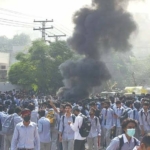
New Delhi prepared for a second consecutive day of youth-led protests on Sunday, with demonstrators demanding the resignation of Chief Election Commissioner Gyanesh Kumar over controversial voter-list revisions. The developments came as a court ordered the release of Cockroach Janta Party (CJP) founder Abhijeet Dipke and two senior party leaders from detention.
Dipke and the other leaders were detained on Saturday after arriving in Delhi by plane. They had planned to join a major gathering at Jantar Mantar in central New Delhi. The leaders were presented before a magistrate early on Sunday and subsequently released on the condition that they maintain peace for one year, according to the party’s legal head, Ratna Singh.
Social media influencer and activist Dhruv Rathee, who was also detained, was released after midnight. An interior ministry official said his release was conditional on not participating in further protests.
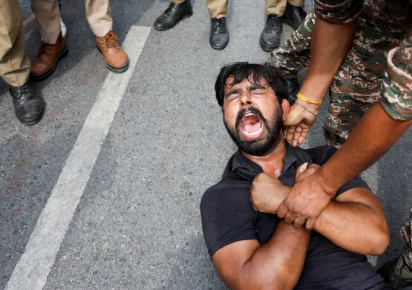
Authorities detained more than 2,000 people on Saturday as police moved to prevent demonstrators from gathering in the city centre. Thousands of police and paramilitary personnel remained deployed across the capital on Sunday. Metro stations reopened, while mobile internet services were restored after disruptions.
Police said most people detained during the initial protests had been released by late Saturday night.
The crackdown drew criticism from opposition parties and government critics, who accused authorities of using excessive force against demonstrators. A United Nations body also urged Indian authorities to respect and protect the right to peaceful assembly.
India’s foreign ministry rejected the criticism, describing the UN’s position as selective and calling its statement interference in the country’s internal affairs.
The demonstrations centre on allegations that changes to electoral rolls could unfairly benefit Prime Minister Narendra Modi’s ruling Bharatiya Janata Party (BJP), which has been in power for more than 12 years. Protesters are demanding Kumar’s resignation and reforms to the electoral system.
The controversy intensified after reports in late September suggested that two deputy election commissioners had raised internal concerns about voter-list revisions, registration procedures and digital systems. The Election Commission has maintained that differing opinions are normal during internal discussions and denied favouring any political party.
The BJP has accused its opponents of undermining democratic institutions by questioning legitimate electoral procedures. The party and the Election Commission have rejected allegations of electoral manipulation.
Data cited by the party indicates that around 130 million names were removed from electoral rolls during a verification exercise. These included approximately 63 million people who had relocated and 30 million who could not be traced. Opposition parties have raised concerns that Muslim voters and other minority communities may have been disproportionately affected.
The CJP, which began as an online satirical movement before developing into a pressure group, has intensified its campaign for electoral reforms. The party has branded its latest demonstrations “Season 2” and vowed to continue its protests until changes are made to India’s electoral system.
We welcome your contributions! Submit your blogs, opinion pieces, press releases, news story pitches, and news features to opinion@minutemirror.com.pk and minutemirrormail@gmail.com